PTFA: Past Trauma, Future Anxiety. Why Organisations Get Stuck
When the past runs the room and the future feels threatening, organisations cannot learn or prepare. PTFA names the pattern, and that is how you begin to move through it.
The measure of a good future is not whether it is efficient or technologically impressive. It is whether the people living inside it can trust it, navigate it, and retain their dignity.
Most futures thinking tells you what might happen. Immediate Futures tells you what is already happening, and what you can do about it now, before the window closes.
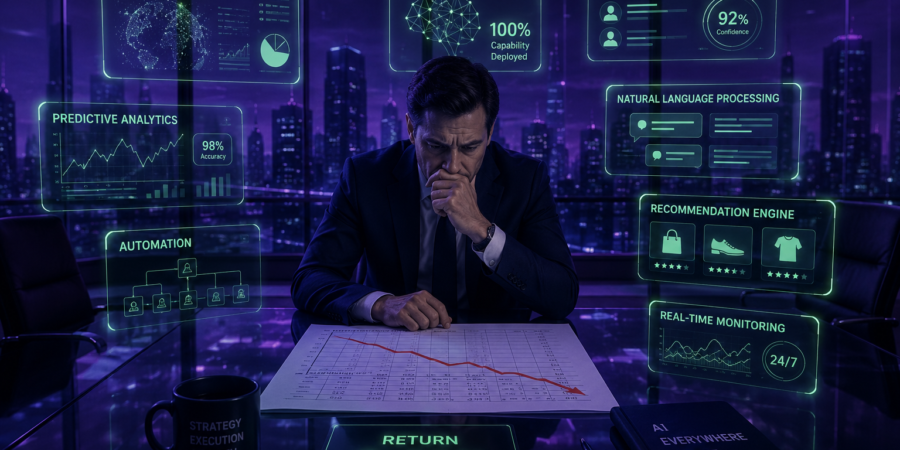
Most organisations are approaching AI adoption backwards, automating first and asking the strategic question later. The HUMAND framework is the tool for asking it right.
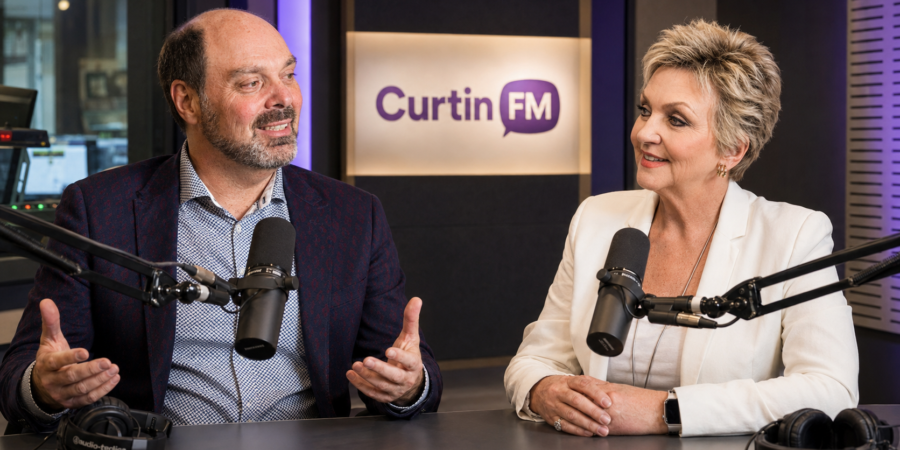
In 2016 in Perth I said it was never humans versus machines. Ten years later, the machines arrived on schedule. The human wisdom layer did not. This is what I heard in a Brisbane boardroom last week, and why the gap between the machine curve and the wisdom curve is where AI ROI goes to die.
AI isn’t just automating entry-level tasks. It’s removing the developmental years that built professional judgment. The pipeline doesn’t just thin at entry — it thins at every point downstream. Here’s what’s actually at stake and what organisations can do about it.