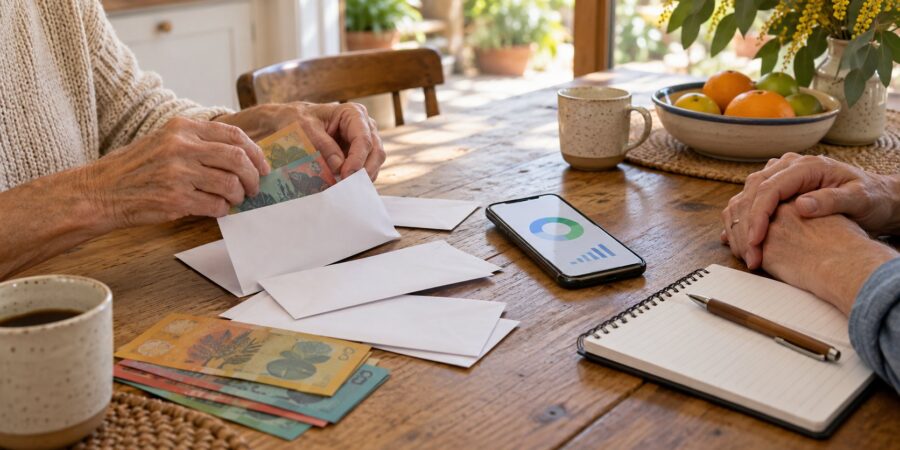

Who Can You See When You Ask About Your Money?
In 2014 I said we’d start getting money advice far younger, and in real time. It’s arriving from super funds and apps, and for the big decisions people still want someone they can see.
In 2014 I said we’d start getting money advice far younger, and in real time. It’s arriving from super funds and apps, and for the big decisions people still want someone they can see.
Every photo you’ve never deleted sits in a data centre somewhere. Australia’s data centres use about 3% of the main grid’s electricity now and could reach 13% within a decade. On RTHK Radio 3 I said they’re being built because we asked for them, and some regional towns might want to put their hand up.

Xi wants AI kept under human control, Trump calls the warnings a hoax, and our Prime Minister says the Medicare agent “didn’t accept no”. All three talk about it as if it were a creature. It’s a tool, and the question that matters is who was holding it, and why it took 84 days for anyone to say so.
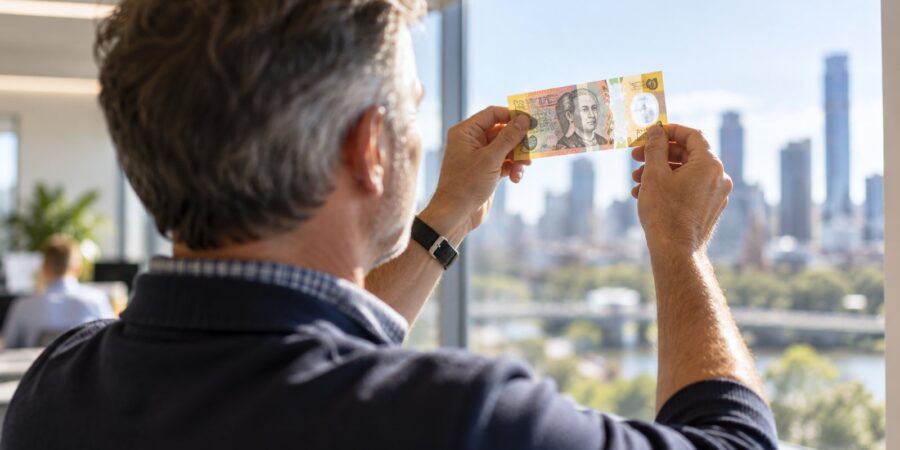
In 2017 I said reputation would become the ultimate personal currency. ASIC has now published a list of Australians whose reputations were spent by somebody else. What breaks isn’t the money, it’s every interaction that went right a little slower afterwards.

The UN voted 164 to 1 for a world map showing countries at their true size. The harder question for leaders is which picture they are still deciding from.
Apple launched a foldable iPhone this month, split its release calendar into three, and started selling phones on instalments in Australia. None of that is the story. The story is a category that has quietly stopped surprising anybody, and what happens to a business when the only levers left are shape, price and timing.
