Immediate Futures: The Framework for Acting on What’s Already Arriving
Most futures thinking tells you what might happen. Immediate Futures tells you what is already happening, and what you can do about it now, before the window closes.
Most organisations respond well to the first wave of any change. It is the third wave, the one they did not see coming, that reshapes everything.
Most organisations are approaching AI adoption backwards, automating first and asking the strategic question later. The HUMAND framework is the tool for asking it right.
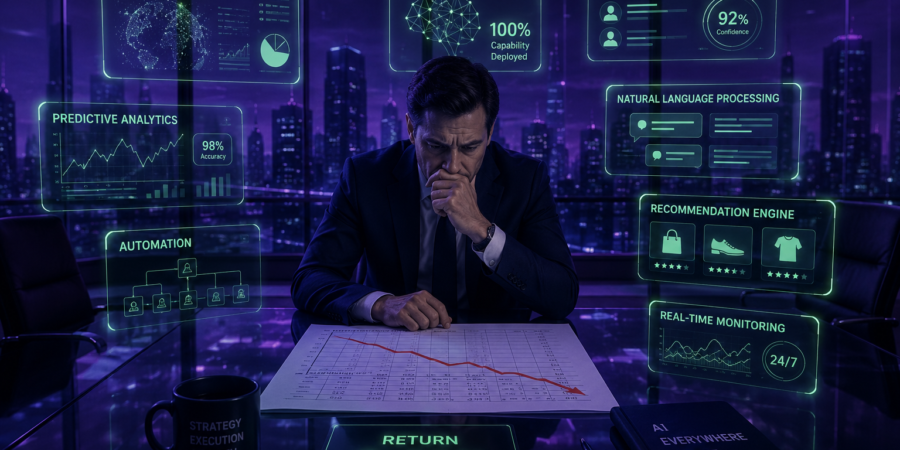
In 2016 in Perth I said it was never humans versus machines. Ten years later, the machines arrived on schedule. The human wisdom layer did not. This is what I heard in a Brisbane boardroom last week, and why the gap between the machine curve and the wisdom curve is where AI ROI goes to die.
Leaders often worry about the visible risks: markets, competitors, technology. The deeper threats are quieter, decision opacity, assumption drift, over-optimisation, and the slow erosion of trust.
Two new partnerships, one shared goal, expanding the global conversation about how we prepare, not predict, tomorrow.