
HUMAND Framework: What Work Belongs to Humans, and What Doesn’t
Most organisations are approaching AI adoption backwards, automating first and asking the strategic question later. The HUMAND framework is the tool for asking it right.
Most organisations are approaching AI adoption backwards, automating first and asking the strategic question later. The HUMAND framework is the tool for asking it right.

At 06:51 on 2 June 2026, Australia became a 28-million-person nation. Morris Misel reflects on the IKEA moments of Australian identity, what still fits the room, and what a three-week-old granddaughter might inherit.

On January 28, 2026, a new AI-only social platform quietly crossed a line. As autonomous agents began forming their own structures without human input, a deeper signal emerged. This article explores what it means for leadership, governance, and how we prepare for intelligence that develops outside human participation.
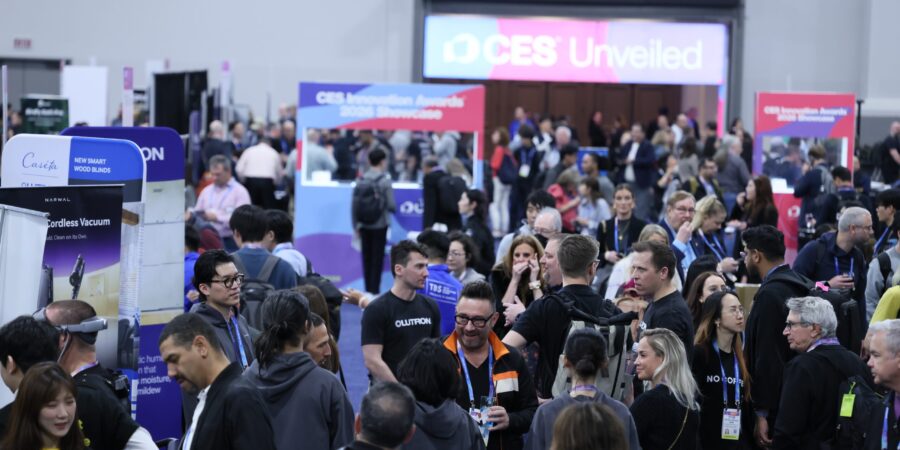
CES 2026 did not shout about the future. It assumed it. In this reflective piece, Morris Misel explores what stayed after the noise faded and what it means for leaders in 2026 and beyond.

Day Two at CES 2026 reveals a quieter but more serious future. Morris Misel explores how robots, AI, health and mobility moved from performance to practical systems that actually work.

Every January, CES reveals more than new technology. In this Day One reflection, Morris Misel explores what CES 2026 shows us about people, systems, leadership, and the future we’re learning to live with.
