{Radio} Can you kill the internet?
Never let the facts get in the way of a great story and in this week’s regular on chat with Hong Kong Radio 3’s Phil Whelan, we set of on an adventure to see if the internet can be killed.
Our first stop was the reality that governments can, have and do regularly cut off internet access either totally, to some sites or undesirable topics, so yes in that sense it can be stopped, but can it be killed.
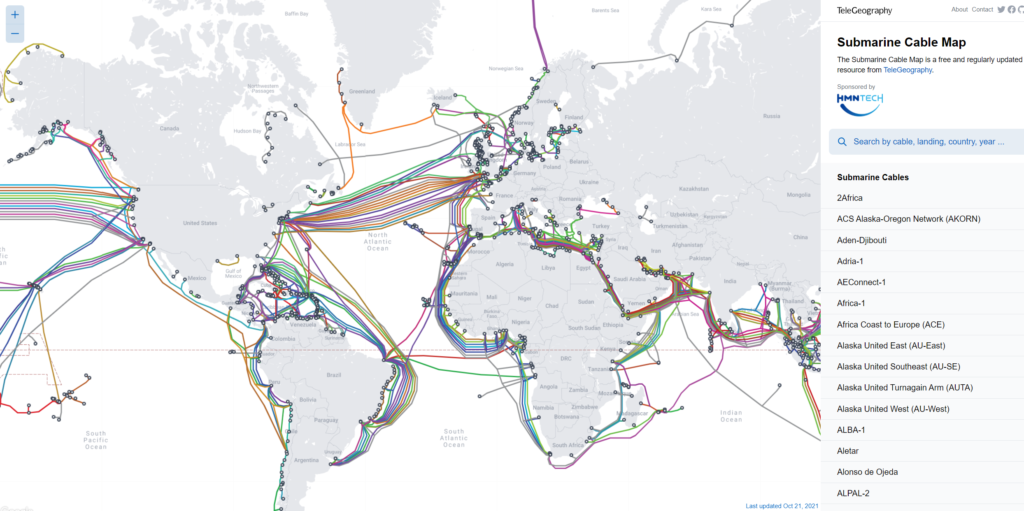
The theory of chopping one of the may underground undersee cables that carried the internet also doesn’t seem plausible, there are just so many as this diagram shows.
Even if it was we have satellite internet to pick up the slack.
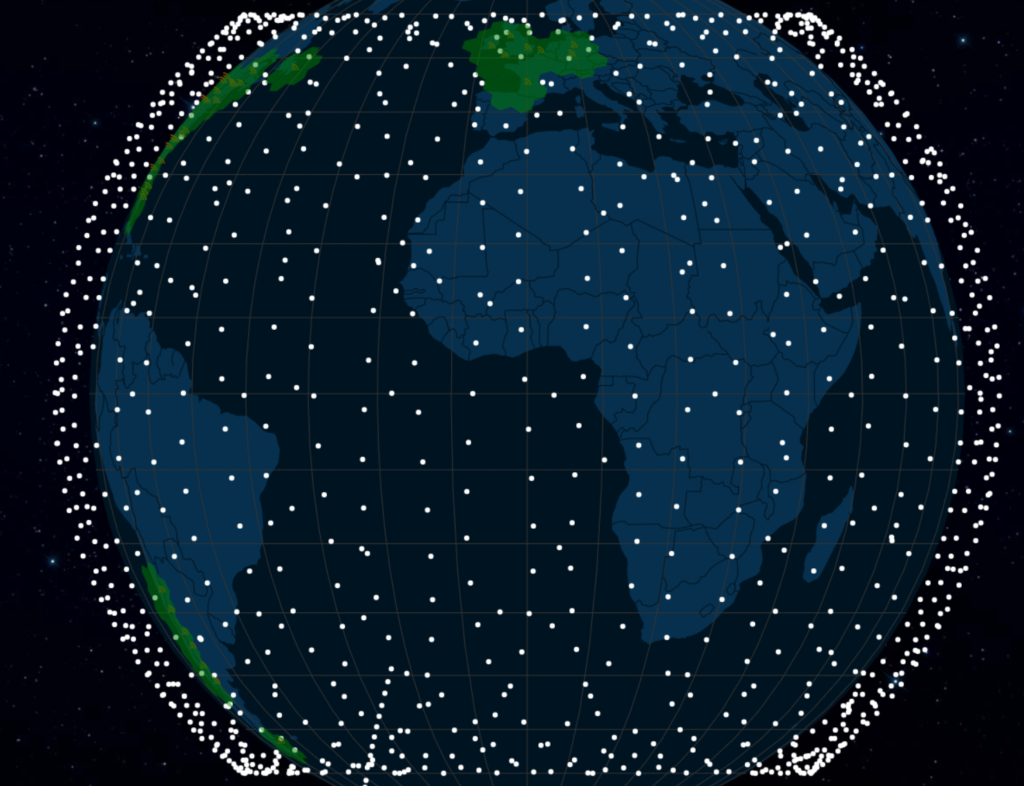
As well as lots of other forms of internet access.
This genie is well and truly out of the bottle and can’t be put back in, but that doesn’t mean that everyone has equal and ready access to it and that to me is the bigger issue.
Have a listen to our chat and let me know what you think.
Frequently Asked Questions
Q: What new signals have emerged on internet resilience since the first conversation?
The sabotage of Baltic Sea undersea cables, repeated disruptions to major cloud provider infrastructure, and the accelerating geopolitical fragmentation of internet governance through initiatives like Russia’s sovereign internet and China’s Great Firewall expansion. These are not hypotheticals. They are happening.
Q: What is the realistic worst-case scenario for internet disruption?
A coordinated attack on multiple critical exchange points and undersea cable routes simultaneously would cause significant degradation of global internet connectivity for days to weeks. This is technically feasible and has been modelled by security researchers. The more likely scenario is targeted regional disruptions rather than global collapse.
Q: What should organisations build into their continuity planning?
Redundant communication pathways, local data caching for critical operations, tested offline fallback procedures for key business functions, and clear incident response protocols for various disruption scenarios. Most organisations have not tested these seriously.
Q: Can Morris Misel present on digital resilience and cyber foresight for our organisation?
Yes. Cyber, digital infrastructure, and resilience planning are regular advisory and keynote topics. Book at morrismisel.com.
Never let the facts get in the way of a great story and in this week’s regular on chat with Hong Kong Radio 3’s Phil Whelan, we set of on an adventure to see if the internet can be killed. Our first stop was the reality that governments can, have and do regularly cut off [].
When signals like Can you kill the internet emerge, organisations that engage early have the advantage of choosing their response rather than reacting to events. That gap between those who prepared and those who did not is where competitive positioning is actually made or lost.
The most important question is not whether Can you kill the internet will matter, but how quickly it will matter in your specific context. Leaders benefit most from mapping the ripple effects early — not just the direct impact but the second and third-order consequences that arrive later and hit harder. That is the practical work of foresight.