{Radio} Future of War
On the back of the unfolding turmoil in Afghanistan, Hong Kong Radio 3’s James Ross wondered how different fighting skirmish’s, battles and wars might be fought in the future.
War technology has come along way in the past few decades, with ever more precise and long distant capable tech being developed.
The increased use of Augmented and Virtual realities to train, guide and assist soldiers.
Drones that silently and discreetly spy from the sky or enter hostile and dangerous territories, find and diffuse bombs, or retrieve injured soldiers from the battlefield.
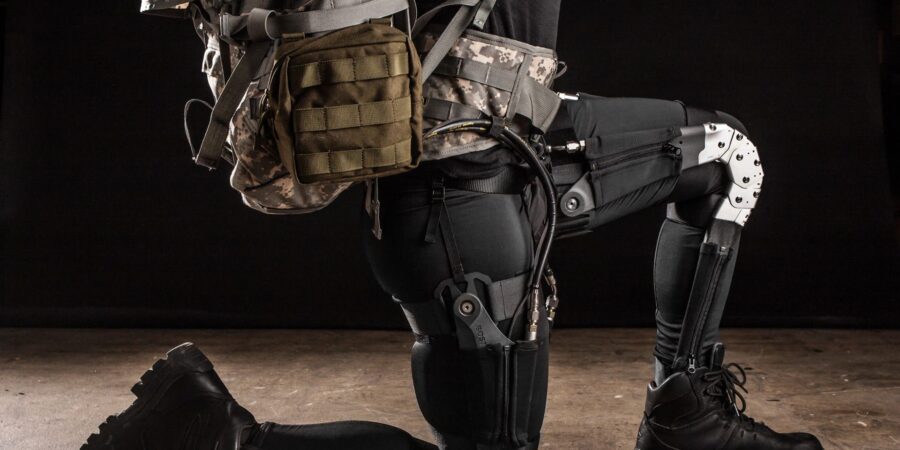
Soldiers can now don exoskeletons and gain super strength and capability, whilst artificial intelligence keeps a 24/7 vigilant eye on everything going on and being said looking for clues and providing insight and foresight at speeds never dreamt of all whilst guiding autonomous vehicles into battle. .
My greatest concern in all of this, is that once battles and wars were fought between two or more roughly equal countries, today asymmetrical war is a real thing, where individuals and groups can now “war” with countries and regimes, the ant can battle the elephant and inflict a great deal of damage.
This sobering chat, one none of us want to consider, is a clarion call, that the rules of war have changed, that benign and wondaful technology can be used for evil and destructive purposes.
Take a listen now (14 minutes 30 seconds)
On the back of the unfolding turmoil in Afghanistan, Hong Kong Radio 3’s James Ross wondered how different fighting skirmish’s, battles and wars might be fought in the future. War technology has come along way in the past few decades, with ever more precise and long distant capab.
The window between a signal arriving and it demanding a response is shortening. Future of War is already shaping strategy conversations in forward-looking organisations. Treating it as a future concern rather than a present one builds a preparedness gap that will have to be closed under pressure.
The most important question is not whether Future of War will matter, but how quickly it will matter in your specific context. Leaders benefit most from mapping the ripple effects early — not just the direct impact but the second and third-order consequences that arrive later and hit harder. That is the practical work of foresight.