Beyond the Bed: How Understanding Customer Needs Can Revolutionise Your Business
Remember the humble bed?
When I first met with my clients ten years ago, it was a purely functional piece of furniture and they were purely a bed manufacturer.
Fast forward to the present day, and the bed has undergone a remarkable transformation.
This client, a global leader in the sleep industry, with some convincing recognised the changing landscape of customer needs, here’s kind of how the conversation went:
This shift illustrates a powerful lesson: the future use of a product or service is rarely predetermined by its past.
They understood that people weren’t just using beds for sleep and other stuff, anymore.
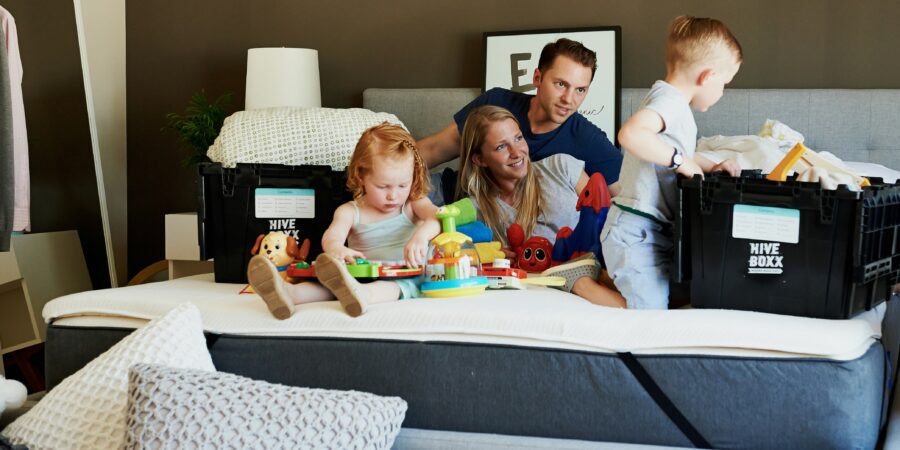
Beds were becoming active living hubs for relaxation, connection, and entertainment.
This foresight allowed them to completely redefine the concept of a bed, and expand their future thinking and opportunities in an emerging “rest” space, paving the way for innovative technological products like smart mattresses that monitor sleep patterns and promote better well-being as well as new bedroom related furniture products.
The Power of Foresight:
The key takeaway? Anticipating future customer needs is crucial for staying ahead of the curve. This involves considering not just technological advancements, but also the evolving habits and behaviours of your target audience.
Here’s how you can apply this to your own business:
Reimagine Your Product/Service: Look at your current offerings with fresh eyes. How might they evolve to better serve your customers’ changing needs?
Example: Are you a car manufacturer? Consider the rise of autonomous vehicles and the potential impact on car ownership and usage.
Identify the Influencers: What social, economic, and technological trends are reshaping your industry? Understanding these drivers will help you anticipate customer needs and behaviour shifts.
Example: A company selling office furniture might explore the rise of remote work and the need for adaptable home office solutions.
Challenge Your Assumptions: Don’t be afraid to break free from traditional thinking. The client in the example above challenged the very notion of what a bed “should” be, opening doors to revolutionary products.
Embrace the User Journey: Map out the various ways your customers interact with your product or service. This will help identify potential pain points and opportunities for innovation.
Example: A clothing retailer might consider how technology can enhance the in-store shopping experience or personalize online recommendations.
The Human Factor:
Remember, technology is just one piece of the puzzle. Ultimately, it’s about understanding people. Consider:
Changing Habits and Preferences: How are your customers’ lives and routines evolving? What new desires and aspirations are emerging?
Overcoming Resistance: People can be resistant to change. How can you convince them of the benefits your new offering provides?
The Takeaway:
By proactively understanding your customers’ evolving needs, you can transform your existing offerings and uncover entirely new possibilities. Anticipate, adapt, and innovate – these are the keys to remaining relevant and successful in a dynamic marketplace.
Now it’s your turn! Take a moment to consider your own product or service.
How might it evolve based on changing customer needs and future trends?
Frequently Asked Questions
Q: What does ‘beyond the bed’ mean as a foresight frame for hospitality?
It means recognising that guests are not primarily purchasing a room. They are purchasing the ability to be somewhere, experience something, connect with someone, or achieve a purpose. The bed is infrastructure for the actual value being delivered. Hospitality organisations that understand their product as ‘enabling experiences’ rather than ‘providing accommodation’ make fundamentally different decisions about investment, design, and service.
Q: How is technology changing guest expectations in hospitality?
Primarily by raising the baseline for frictionless service (seamless check-in, responsive personalisation, instant communication) while simultaneously creating appetite for the human moments that technology cannot replicate. Guests expect technology to eliminate friction; they value humans for connection, judgment, and genuine care. The hospitality organisations that are winning are those that deploy technology to remove the transactional burden so human staff can focus on the relational value.
Q: What does a foresight lens suggest about the next decade for hospitality?
Three overlapping trends: the experience economy driving demand for genuinely distinctive stays rather than branded consistency, climate and sustainability pressure reshaping what responsible hospitality looks like (and what guests expect), and the growing importance of community and purpose as components of hospitality, venues that are embedded in and contribute to their local context rather than being extracted from it.
Q: Can Morris Misel speak on the future of hospitality, guest experience, and service innovation?
Yes. Hospitality futures, customer experience, and service design are regular keynote topics for tourism, hospitality, and property audiences. Book at morrismisel.com.
Remember the humble bed? When I first met with my clients ten years ago, it was a purely functional piece of furniture and they were purely a bed manufacturer. Fast forward to the present day, and the bed has undergone a remarkable transformation. This client, a global leader in.
When signals like Beyond the Bed emerge, organisations that engage early have the advantage of choosing their response rather than reacting to events. That gap between those who prepared and those who did not is where competitive positioning is actually made or lost.
The most important question is not whether Beyond the Bed will matter, but how quickly it will matter in your specific context. Leaders benefit most from mapping the ripple effects early — not just the direct impact but the second and third-order consequences that arrive later and hit harder. That is the practical work of foresight.