AI: A Double-Edged Sword
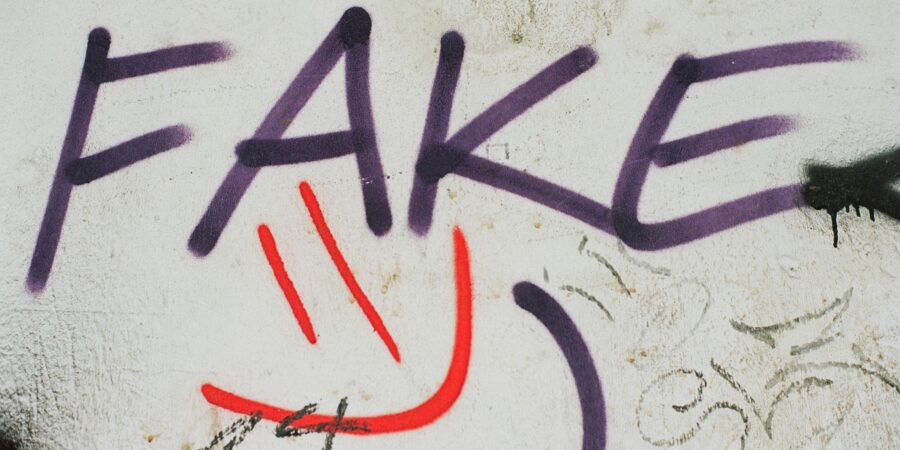
Brace yourselves as we delve into the captivating yet somewhat alarming intersection of AI and deepfakes. Recent events have unveiled the power of this technology, both for good and for evil.
Recently, we’ve seen two significant instances where AI was used for nefarious purposes. The first involved a robocall impersonating President Joe Biden, telling New Hampshire residents not to vote. This marks the first known large-scale corporate fraud using deepfake technology.
The second incident was even more troubling. A multinational firm’s employee was tricked into a video conference with multiple deepfake personas, resulting in a loss of $25 million. This marks the first known large-scale corporate fraud using deepfake technology.
These incidents highlight the double-edged sword that is AI. On one hand, it’s an incredible tool that can revolutionize industries and improve our lives. On the other, it can be used for harmful intent.
In the US election, for instance, we might see AI being used in ways we’ve never seen before to sway voters. Remember when Barack Obama stated that he was elected on the back of social media? That was a relatively new phenomenon then, but now it’s common for us to receive electoral messages online.
The question arises: Did these deepfake creators break any rules or laws? While it’s unclear, there are likely laws against impersonation. However, the problem is that the people who are doing this kind of stuff are often ahead of the people trying to stop it.
As we move forward, it’s crucial to develop robust internal systems to detect and combat these misuses of AI. We always need to be mindful of what we’re being told online. Search for the source and originating truth behind the message and sender.
For now, in my advisory corporate conversations, I’ve suggested a really low key, old fashioned, safety guard for Board Members and Executives. When dealing online, share one unusual fact about yourself, offline, or one key safety word, that can act be asked of you, or you to others, when you need to 100% verify the person you’re speaking to is who they say they are and not some digital deepfake imposter.
I recently discussed this topic on air in my regular weekly segment on Hong Kong Radio 3 with James Ross. You can listen to the full interview by clicking on the link here (15 minutes 24 seconds).
So, let’s start a conversation. How do you think we can best navigate the challenges posed by AI and deepfakes? Share your thoughts in the comments below!
#AI #Deepfakes #FutureTech
Frequently Asked Questions
Q: Why is AI genuinely a double-edged sword rather than just a tool?
Because its most powerful capabilities are dual-use by nature. The same generative capability that drafts marketing copy also produces disinformation. The same pattern recognition that detects cancer in medical imaging also enables mass surveillance. The same autonomous decision-making that improves logistics also creates accountability gaps in high-stakes contexts. The power cannot be separated from the risk, only managed.
Q: What is the right balance between embracing AI capability and managing AI risk?
There is no single balance, it depends on context, stakes, and the specific capabilities in question. The useful framework is: what is the worst plausible outcome if this AI application fails or is misused, and does the governance and oversight in place match that risk level? Most organisations are currently calibrating AI governance to the median case rather than the tail risk.
Q: What are the risks that Australian organisations specifically underestimate?
Supply chain and dependency risk, building critical processes on AI systems operated by offshore providers without understanding the implications of service changes, data sovereignty requirements, or geopolitical disruptions to access. And reputational risk from AI outputs, the assumption that ‘the AI did it’ provides cover when a harmful or embarrassing output reaches a customer or the media.
Q: Can Morris Misel speak on balanced AI strategy and risk governance for our leadership team?
Yes. Responsible AI adoption, governance frameworks, and the practical management of AI risk are core advisory and keynote topics. Book at morrismisel.com.
Brace yourselves as we delve into the captivating yet somewhat alarming intersection of AI and deepfakes. Recent events have unveiled the power of this technology, both for good and for evil. Recently, we’ve seen two significant instances where AI was used for nefarious purposes.
When signals like Brace yourselves as we delve into the emerge, organisations that engage early have the advantage of choosing their response rather than reacting to events. That gap between those who prepared and those who did not is where competitive positioning is actually made or lost.
The most important question is not whether Brace yourselves as we delve into the will matter, but how quickly it will matter in your specific context. Leaders benefit most from mapping the ripple effects early — not just the direct impact but the second and third-order consequences that arrive later and hit harder. That is the practical work of foresight.