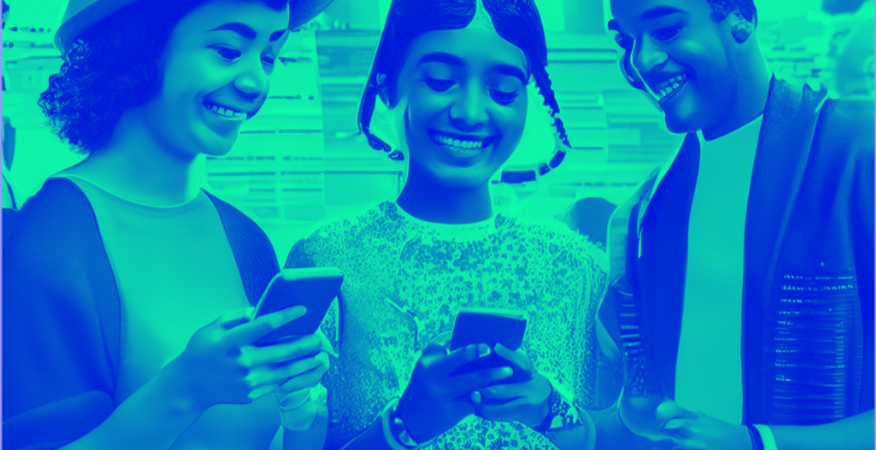
Is Social media still a thing in 2033?
Beyond the hype and hysteria of Threads vs Twitter, the supposed exodus from Facebook and the good, bad and ugly of Social Media, what is it’s Future? 10 years ago social media was a fringe online place for the digitally strange and awkward, today it’s mainstream and oh-so ordinary, but what might it be in 10 years from now and will it even be a thing in 2033?.
In this weeks regular on-air chat Hong Radio 3’s James Ross and I chat about all things future of social media including:
– The emergence of Threads, Is it a useful tool or a gimmick? Will it last or fade away?
– The role of social media in fostering community and connection,
– Has social media helped us cope with isolation and uncertainty?
– How has it influenced our sense of identity and relationships?
– The growth of generative AI Social media platforms
– Will we need or want social media in 2033?
Listen in as Hong Kong Radio 3’s James Ross and I chat about all things future of social media (13 minutes 02 seconds).
Frequently Asked Questions
Q: Will current social media platforms still exist in 2033?
Some will, significantly transformed. The most durable will be those that successfully transition from public performance toward genuine connection and community, which is where user preference has been moving for years. Platforms built primarily on public broadcasting of personal content face structural headwinds from user fatigue, regulatory pressure, and the migration of conversation to smaller, more trusted environments.
Q: What could replace current social media?
Not a single alternative but a fragmentation: more intimate community platforms, AI-mediated interest matching, immersive shared experience environments (proto-metaverse formats that actually work), and the continued growth of audio-first and creator-subscriber direct relationships. The underlying human needs (connection, expression, recognition, information) will be served by different mechanisms than today’s feed-based social graph.
Q: What is the most significant regulatory signal for social media over the next decade?
Platform liability for content and its consequences for algorithmic amplification. If regulators successfully impose liability for demonstrable harms caused by algorithmic amplification choices, the economics of engagement-maximisation change fundamentally. This is moving slowly but directionally in multiple jurisdictions.
Q: Can Morris Misel speak on the future of social media and digital communication for our event?
Yes. Social media futures, digital communication, and the evolution of the information environment are regular keynote topics. Book at morrismisel.com.
Beyond the hype and hysteria of Threads vs Twitter, the supposed exodus from Facebook and the good, bad and ugly of Social Media, what is it’s Future? 10 years ago social media was a fringe online place for the digitally strange and awkward, today it’s mainstream and oh-so ordina.
When signals like Social media still a thing emerge, organisations that engage early have the advantage of choosing their response rather than reacting to events. That gap between those who prepared and those who did not is where competitive positioning is actually made or lost.
The most important question is not whether Social media still a thing will matter, but how quickly it will matter in your specific context. Leaders benefit most from mapping the ripple effects early — not just the direct impact but the second and third-order consequences that arrive later and hit harder. That is the practical work of foresight.