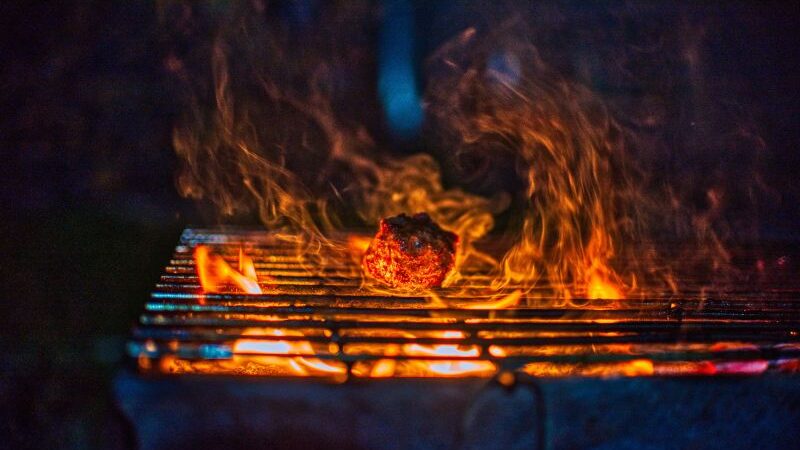
The Future of the Aussie BBQ
Have you tried to buy an electric BBQ recently? Well, it isn’t that easy.
Not long ago, a simple shopping trip for a new barbecue led me to a sizzling (bad pun intended) insight about the future of this beloved Australian pastime.
Motivated by sustainability, and spurred on by the imminent ban on new gas installations in domestic builds by the Victorian government, it seemed a great time to leave the gas BBQ behind and search for an electric one.
But, after visiting five different stores, including some well know big box stores specialising in BBQ’s, I found only a couple of expensive electric options in the familiar 4-6 burner format.
When I asked, the store managers about demand for electric barbecues, they all said it was low to non-existent, and they didn’t see a significant expansion of their electric ranges anytime soon.
So, Foresight Strategist hat on – there seems to be a crucial disconnect between consumer sentiment and market realities.
While environmental concerns are on the rise, the uptake of electric barbecues seems to be trailing behind.
Are consumers reluctant to embrace change, or are the current market offerings simply not up to scratch?
Perhaps the cultural pull of a wood or gas BBQ, the aroma of the smoke, and the ritual of lighting the fire are so strong that an electric BBQ just seems wrong.
Globally the electric grill market is predicted to hit a whopping USD $5.8 billion by 2027, driven by environmental consciousness and increasing disposable income.
But, my personal experience suggests that the Australian market might not be ready to cater to this demand.
The electric BBQ is brimming with potential, but its success depends on closing the gap between consumer expectations and available options.
Businesses that can provide a broader range of electric BBQ’s that mimic the functionality and experience of traditional models are likely to thrive.
Maybe, technological and design innovations that address concerns about taste, smell and performance could speed up the shift towards a more sustainable barbecue culture.
So, the future of the Australian BBQ is a delicate balance between tradition, sustainability, and market realities.
By getting our business heads around this change and adopting innovative possibilities, we can make sure we’re not just grilling snags, but also shaping a future that’s both tasty and environmentally friendly.
Now, here’s a question for you: does your business thinking and strategy incorporate potential future consumer, social, environmental, & social demands, or is it history retold and resold?
FYI – I didn’t end up buying an electric BBQ! Pivot – I bought an electric vertical smoker instead, but that’s a story for another day – unless you have any great smoker recipes, share them with me in the comments below, & we can make it today’s story continued!
#ElectricBBQ #Sustainability #BusinessStrategy #MarketTrends #Innovation #ConsumerBehaviour #EnvironmentallyFriendly
Frequently Asked Questions
Q: Is the Aussie BBQ under threat from changing food habits?
The ritual is not under threat; the ingredients are changing. The social function of the backyard BBQ (outdoor gathering, shared food preparation, relaxed informal connection) is entirely compatible with plant-based options, cultivated protein, and the multicultural expansion of what Australians grill. The BBQ as cultural institution is more durable than any specific protein.
Q: How is Australian BBQ culture already changing?
Dramatically more diverse. The ‘snags and steak’ mono-culture has given way to a genuinely multicultural grilling culture that incorporates Japanese yakitori, Middle Eastern kebabs, Korean BBQ techniques, Indian-spiced proteins, and a much wider range of vegetables and seafood. This reflects Australia’s demographic reality: a genuinely multicultural society with enormous food culture diversity that increasingly shows up in casual home cooking.
Q: What does the plant-based protein signal mean for how Australians eat in ten years?
Plant-based options will be normalised rather than niche. The question will not be ‘do you have a vegetarian option?’ but ‘which of these plant-based options do you prefer?’ driven by cost, health, and environmental awareness rather than ideology. The BBQ will accommodate this easily, the social ritual doesn’t require animal protein, even if the tradition has been built around it.
Q: Can Morris Misel speak on food culture futures, Australian identity, and social change?
Yes. These themes appear in his work on culture, identity, and social futures for corporate and association audiences. Book at morrismisel.com.
Have you tried to buy an electric BBQ recently? Well, it isn’t that easy. Not long ago, a simple shopping trip for a new barbecue led me to a sizzling (bad pun intended) insight about the future of this beloved Australian pastime. Motivated by sustainability, and spurred on by th.
The window between a signal arriving and it demanding a response is shortening. The Future of the Aussie BBQ is already shaping strategy conversations in forward-looking organisations. Treating it as a future concern rather than a present one builds a preparedness gap that will have to be closed under pressure.
The most important question is not whether The Future of the Aussie BBQ will matter, but how quickly it will matter in your specific context. Leaders benefit most from mapping the ripple effects early — not just the direct impact but the second and third-order consequences that arrive later and hit harder. That is the practical work of foresight.