Why Musicians Are Rocking Out in a New Reality: The Future of Music is Here
Imagine attending a live concert by your favourite artist, not in a stadium, but in the virtual world of a video game.
Sounds like science fiction? Well, welcome to the future of music!
In a fascinating trend that’s music to my ears, musicians are now releasing new tracks within video games.
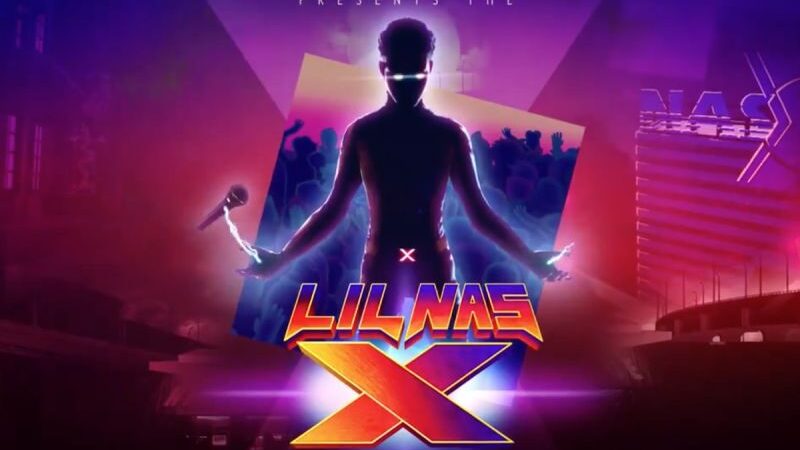
Artists like Travis Scott and Lil Nas X are premiering their music in virtual worlds like Fortnite and Roblox, often before they hit traditional channels.
Why Video Games?
The answer lies in a fundamental shift in consumer behaviour.
Today’s music fans, particularly Gen Z and younger, spend a significant portion of their time in video games.
These virtual spaces are more than just entertainment platforms; they’re vibrant communities where people socialise, express themselves, and discover new things.
By releasing music within these games, artists are meeting their fans where they already are. This not only increases discoverability but also fosters a deeper connection.
It’s a unique and immersive experience that traditional music platforms can’t replicate.
The Power of Creative Freedom
Beyond audience reach, video games offer artists unprecedented creative freedom. They can tailor their music to the game’s environment and narrative, creating a more cohesive and impactful experience.
This synergy between music and gameplay unlocks a world of possibilities and has the potential to transform the way we experience music altogether.
Is This the Future of Music?
While it’s still early days, the initial signs are promising.
Music releases within video games are generating significant buzz and engagement. However, the music industry is dynamic and ever-evolving.
Whether this trend will have lasting power or fade away remains to be seen.
As a business futurist, I’m excited about the potential of in-game music releases as one of the many ways we will engage, consume and buy music.
It’s a testament to the ingenuity and adaptability of the music industry, constantly seeking new ways to connect with audiences.
This trend is more than just a marketing tactic; it’s a paradigm shift in how music is created, distributed, and experienced.
As this space continues to evolve, I’ll be keeping a close eye on the latest developments and sharing my foresights.
So, what possible paradigm shifts are ahead for your business and industry?
How can you take early advantage of them?
Let’s imagine the possibilities together!
#FutureOfMusic #InGameMusicReleases #VideoGames #MusicIndustry #ParadigmShift #LetsChatFuture #musicbusiness #workshop #strategicforesight #ceo #keynotespeaker #entrepreneurs
Frequently Asked Questions
Q: How has the music industry’s transformation over the past decade changed the economics for musicians?
Streaming resolved the piracy crisis for labels while creating a new economic problem for artists: per-stream rates that require enormous scale to generate meaningful income. The beneficiaries of streaming are primarily major labels and dominant catalogue holders. Working musicians have adapted by diversifying, live performance, merchandise, direct fan relationships through platforms like Patreon and Bandcamp, sync licensing, and brand partnerships. The industry restructured around catalogue value while the people who create new music subsidise the system.
Q: What does AI music generation mean for the industry?
Significant disruption in functional music, background, mood, and commercial music where the primary requirement is competent execution of a brief rather than distinctive artistic voice. This is a real market that AI is entering. For artists with genuine distinctive voices and genuine fan relationships, AI is more an asset than a threat. It lowers production costs and enables experimentation. The middle tier, technically skilled musicians producing competent but generic work, faces the most direct pressure.
Q: What is the most interesting emerging signal in music economics?
The direct-to-fan model and the 1000 true fans thesis. That an artist who builds genuine relationships with a modest number of dedicated supporters can sustain a creative career without needing mass market success. This was theoretical in 2008 when Kevin Kelly articulated it; the tools now exist to make it operational. Artists who understand this are building sustainable careers outside the traditional industry structure.
Q: Can Morris Misel speak on the creative economy, music futures, and AI in creative industries?
Yes. The creative economy and AI’s impact on creative work are regular topics for media, arts, and entertainment sector audiences. Book at morrismisel.com.
Imagine attending a live concert by your favourite artist, not in a stadium, but in the virtual world of a video game. Sounds like science fiction? Well, welcome to the future of music! In a fascinating trend that’s music to my ears, musicians are now releasing new tracks within.
The window between a signal arriving and it demanding a response is shortening. The Future of Music is Here is already shaping strategy conversations in forward-looking organisations. Treating it as a future concern rather than a present one builds a preparedness gap that will have to be closed under pressure.
The most important question is not whether The Future of Music is Here will matter, but how quickly it will matter in your specific context. Leaders benefit most from mapping the ripple effects early — not just the direct impact but the second and third-order consequences that arrive later and hit harder. That is the practical work of foresight.