
{Radio} Industrial 5G – the next big revolution
5G is barely here and there’s already talk about 6G and how supersonic fast it might be, when it gets here, in 2030’ish, but that’s not the real story, the big horizon changer here is the introduction of an interoperable Industrial 5G standard later this year that will kick start the next big things.
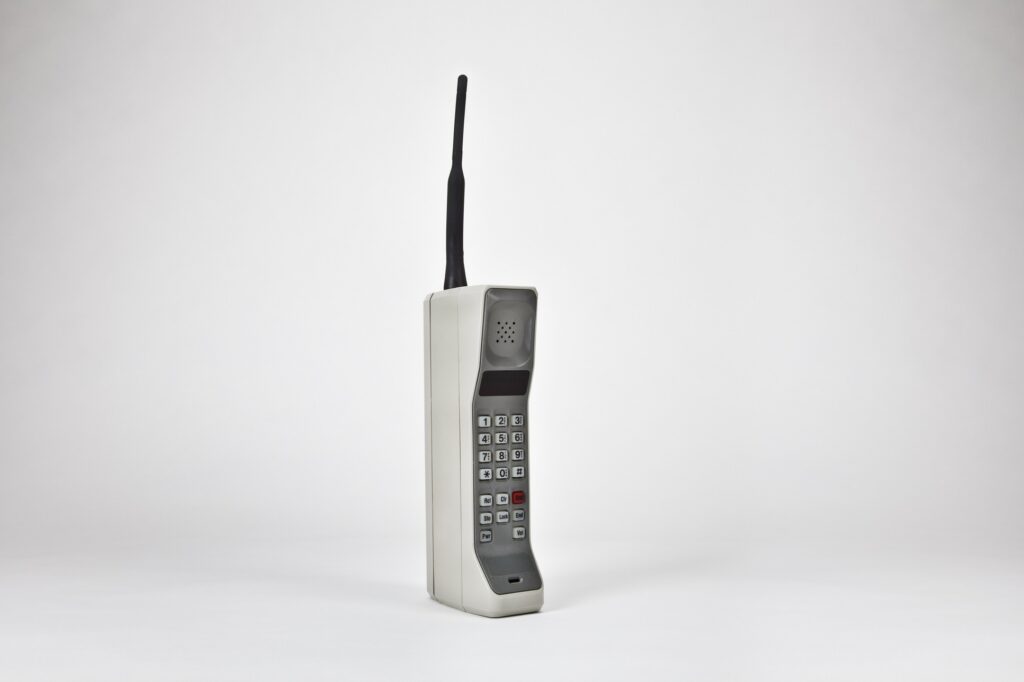
In 1979 1G arrived in Tokyo with little fanfare and little mainstream purpose, Australia didn’t switch it on until 1987, it was purely analogue, phone call only, and perceived by most as a why would anyone need it?, expensive, pretentious toy.
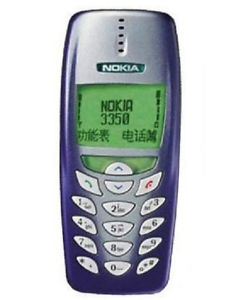
2G hit the airwaves first in Finland in 1991 and in Australia on the 27 April 1993, it improved the sound quality, introduced encrypted calls, was of course faster and for the first time could download data as well which gave birth to SMS MMS, individual ring tones, snakes, games, and the rise and rise of Nokia Phones.
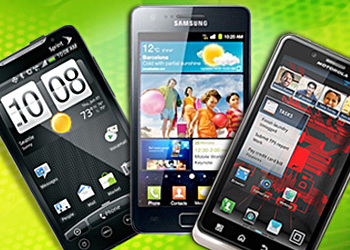
10 years later and with growing global demand and popularity, 3G was birthed in Japan in 2001 and in Australia in 2003. It was 4x faster then 2G and heralded in the smart phone era and the rise of the blackberry and the iPhone.

Mobile phones, tablets and more became the norm and demanded more grunt and speed and in 2009 Norway was the first to switch on 4g and in June 2013 Vodafone was the first to switch it on in Australia and the smartphone revolution went into overdrive with the late majority discovering the joy and ease of portable communication, rendering smart phones and devices a must have and 4g an necessity.
Never satisfied on April 3, 2019 5G launched in the Unites States and soon after in Australia and we are just coming up to speed with what it offers, new mobile devices and its potential.
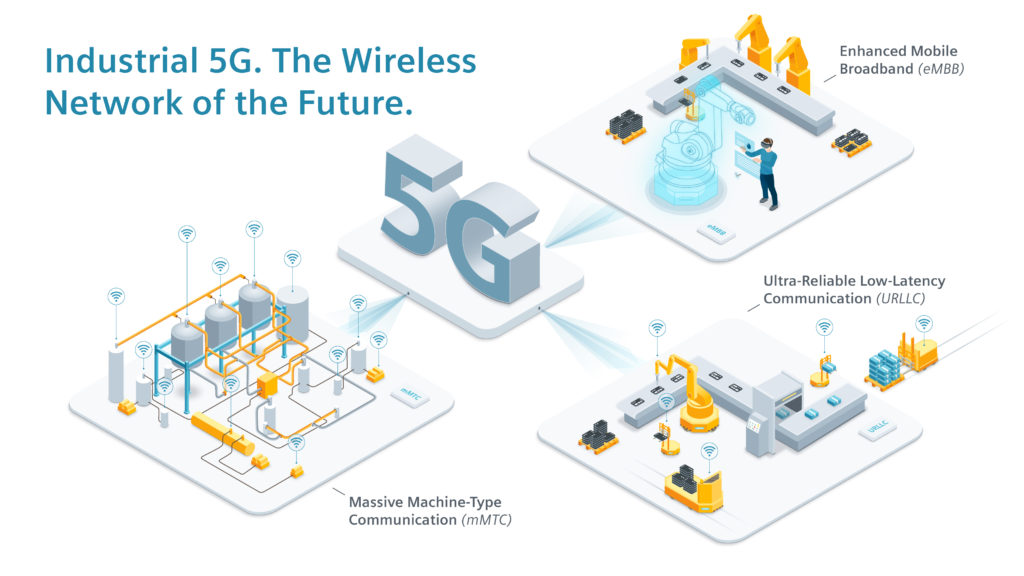
6G is slated for somewhere around 2030 and China is already talking about hypersonic speed and its possibilities, but in this week’s on air Hong Kong Radio 3 chat we talk about the history of the G’s, what technologies and innovations each G evolution encouraged and why the next big frontier is not really 5 or 6g but Industrial 5 and 6G – when machines, roads, transport, houses, built environments, factories, manufacturing, autonomous devices, robots and yet to be created metaverses jump on to the super digital highways and the changes these will bring to the way we live, love and work.
Listen now:
Frequently Asked Questions
Q: What is industrial 5G and why does it matter more than consumer 5G?
Industrial 5G refers to private 5G networks deployed within a facility (factory, port, mine, hospital) to enable real-time machine-to-machine communication, remote operation, and massive sensor data collection. The latency and reliability specifications of 5G make it suitable for safety-critical and time-critical industrial applications that WiFi and earlier cellular standards could not support. Consumer 5G is mostly about faster phones. Industrial 5G enables genuinely new operational capabilities.
Q: Which sectors are most transformed by industrial 5G?
Mining and resources (remote operation of heavy machinery, underground connectivity), manufacturing (connected production lines, predictive maintenance at scale), ports and logistics (autonomous container handling, real-time inventory), healthcare (connected surgical tools, remote monitoring), and defence (secure battlefield communications). Australia’s resource and logistics sectors make it a significant potential beneficiary.
Q: What should Australian organisations be doing to prepare?
Identifying which operational constraints are currently imposed by connectivity limitations, assessing whether private 5G infrastructure investment is justified by the productivity gains it would unlock, and building internal capability to manage and secure these networks. The constraint is less technology and more organisational readiness and regulatory understanding.
Q: Can Morris Misel speak on 5G, industrial technology, and infrastructure futures?
Yes. Industrial technology and infrastructure transformation are regular keynote and advisory topics. Book at morrismisel.com.
5G is barely here and there’s already talk about 6G and how supersonic fast it might be, when it gets here, in 2030’ish, but that’s not the real story, the big horizon changer here is the introduction of an interoperable Industrial 5G standard later this year that will kick start.
When signals like Industrial 5G the next big revolution emerge, organisations that engage early have the advantage of choosing their response rather than reacting to events. That gap between those who prepared and those who did not is where competitive positioning is actually made or lost.
The most important question is not whether Industrial 5G the next big revolution will matter, but how quickly it will matter in your specific context. Leaders benefit most from mapping the ripple effects early — not just the direct impact but the second and third-order consequences that arrive later and hit harder. That is the practical work of foresight.