{Radio} Future Animals
With global warming and our 6th global extinction on our medium to longer term future doorstep, we are already starting to see the effects of a changing world eco system and climate.
In this week’s on-air chat Hong Kong Radio 3’s Phil Whelan and I go in search of clues of what might happen to wildlife, which might evolve and adapt to a new global ecosystem and which might not.
As with every living species, long term survival requires food and environment to be able to support and nurture the species that lives within it.
When these core elements change our physiology and psychology adapt in response to these changes, until they can’t.
As food sources for large mammals (elephants, rhinoceroses, horses etc) begin to become scarce, there are 2 evolutionary choices – become extinct or shrink in size to better match your food source and environment.
Birds however may become larger, as they have the ability to migrate in search of better conditions and with smaller mammals on the ground perhaps mammal take-aways are easier to find.
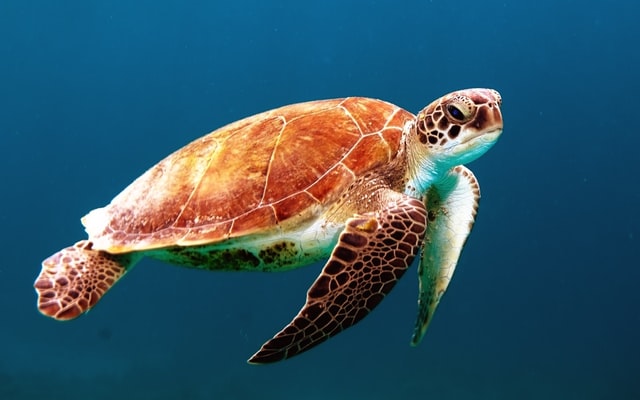
Listen now to hear what may happen to reptiles and fish and also breaking news on Facebook announcement that it’s dropping its facial recognition functionality.
Frequently Asked Questions
Q: Is de-extinction, bringing back extinct species, actually happening?
The science is advancing seriously. The Colossal Biosciences project to restore woolly mammoth traits in Asian elephants is underway with credible genomic editing work. Thylacine (Tasmanian tiger) de-extinction is being pursued by a University of Melbourne team. These are not science fiction. They are funded, staffed research programs with defined technical milestones.
Q: What are the ethical questions around de-extinction?
Several converging ones: whether we have an obligation to restore species whose extinction we caused; whether de-extinct animals would have meaningful lives given the ecological changes since their disappearance; what resources should be directed to de-extinction versus preventing current extinctions; and who decides which species are prioritised. None of these have simple answers.
Q: How is AI changing conservation biology?
Transformatively. Acoustic monitoring systems that detect individual animals, camera trap AI that can identify and census wildlife populations at scale, genetic analysis tools that accelerate understanding of population health, and predictive models for ecosystem intervention effectiveness. The data infrastructure of conservation is being rebuilt around these capabilities.
Q: Can Morris Misel present on biotechnology, conservation futures, and environmental foresight?
Yes. These themes appear in his keynote work on human relationship with nature, technology ethics, and the futures we are choosing. Book at morrismisel.com.
With global warming and our 6th global extinction on our medium to longer term future doorstep, we are already starting to see the effects of a changing world eco system and climate. In this week’s on-air chat Hong Kong Radio 3’s Phil Whelan and I go in search of clues of what mi.
The window between a signal arriving and it demanding a response is shortening. Future Animals is already shaping strategy conversations in forward-looking organisations. Treating it as a future concern rather than a present one builds a preparedness gap that will have to be closed under pressure.
The most important question is not whether Future Animals will matter, but how quickly it will matter in your specific context. Leaders benefit most from mapping the ripple effects early — not just the direct impact but the second and third-order consequences that arrive later and hit harder. That is the practical work of foresight.