{Radio} Imagine the Future
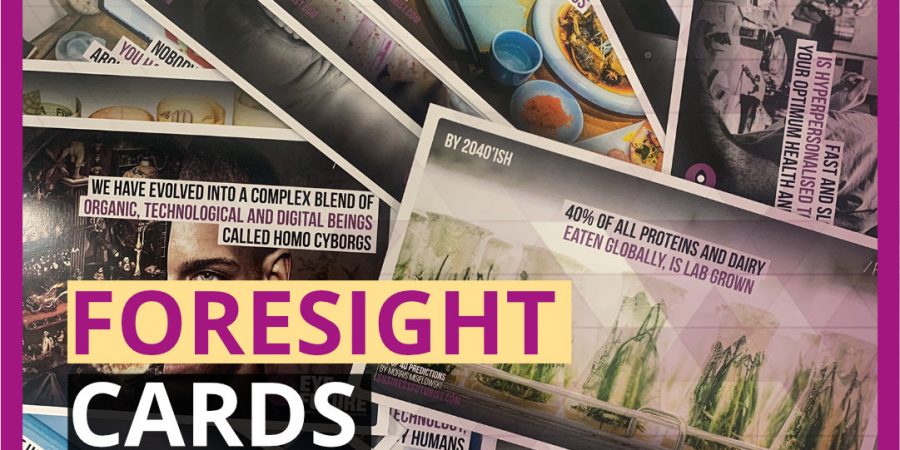
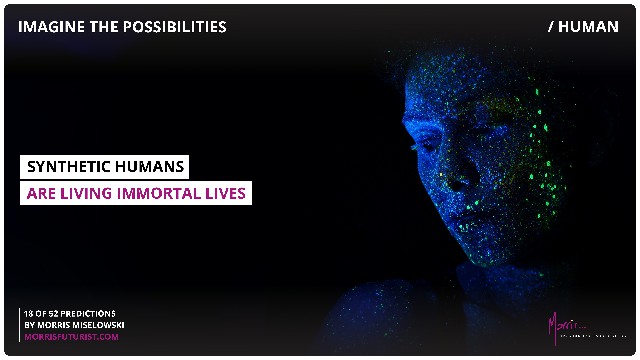
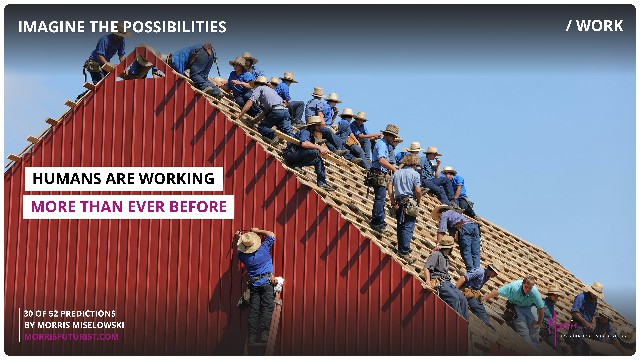
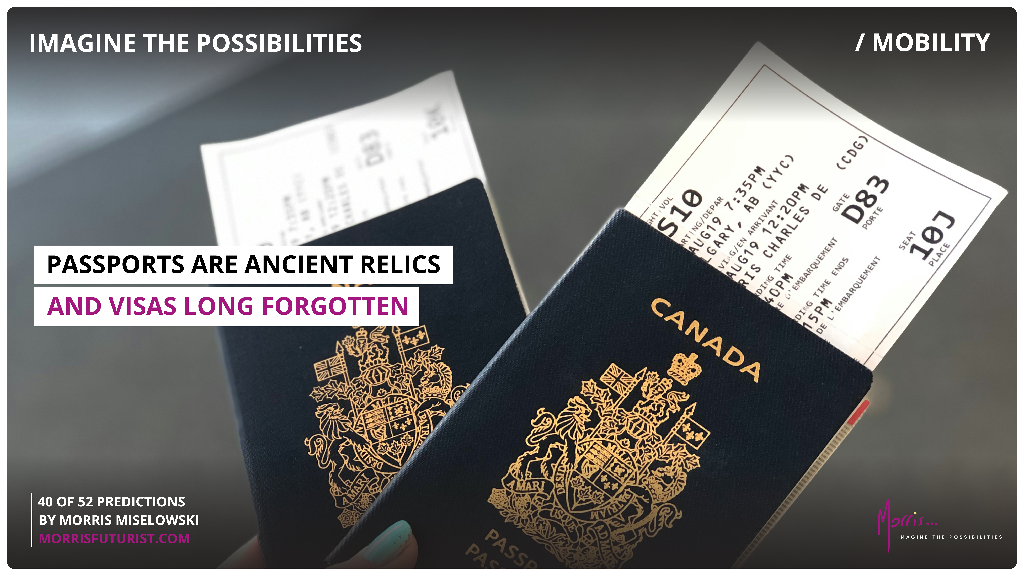
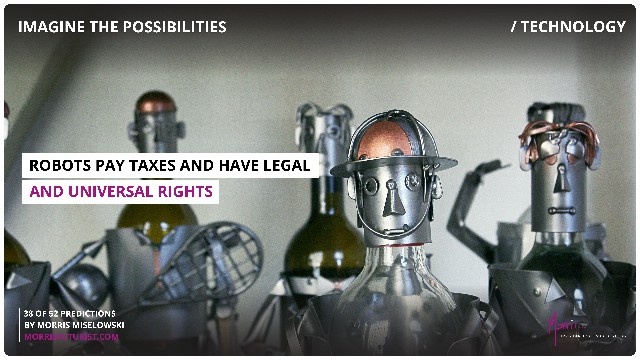
A picture paints a thousand words and in this weeks on air chat Hong Kong Radio 3’s Phil Whelan and I continue to imagine the future by exploring some of my newly released Imagine the Possibilities – 52 Inspirational Foresight Postcards each a provocative “what might happen if…” designed to highlight a future possibility and asking you what could you create, have or do, if you knew and could take advantage of this before anyone else did.
Listen now
Frequently Asked Questions
Q: Why is imagining the future important?
Because action follows imagination. Organisations that cannot envision possibilities beyond their current trajectory are condemned to reactive rather than proactive strategy. The future is not a destination we arrive at. It is something we participate in constructing through the choices we make now.
Q: How do you imagine futures rigorously rather than just speculatively?
By grounding imagination in signals, early evidence of change that is already happening, and then using structured scenario thinking to explore how those signals might interact and amplify. Rigorous futures thinking is disciplined imagination, not wishful thinking.
Q: What is the difference between optimism and foresight?
Optimism is an emotional orientation. Foresight is a practice. The best foresight practitioners are neither optimists nor pessimists. They are curious about what is actually happening and disciplined about what it might mean. That is a different posture, and a more useful one for decision-making.
Q: How can I bring foresight practice into my organisation?
Start with a structured workshop that introduces scenario thinking and signal reading to your leadership team. Morris Misel runs these across sectors. Book at morrismisel.com.
A picture paints a thousand words and in this weeks on air chat Hong Kong Radio 3’s Phil Whelan and I continue to imagine the future by exploring some of my newly released Imagine the Possibilities 52 Inspirational Foresight Postcards each a provocative "what might happen if…".
The window between a signal arriving and it demanding a response is shortening. Imagine the Future is already shaping strategy conversations in forward-looking organisations. Treating it as a future concern rather than a present one builds a preparedness gap that will have to be closed under pressure.
The most important question is not whether Imagine the Future will matter, but how quickly it will matter in your specific context. Leaders benefit most from mapping the ripple effects early — not just the direct impact but the second and third-order consequences that arrive later and hit harder. That is the practical work of foresight.



One comment
Pingbacks and Tracebacks
[…] {Radio} Imagine the FutureNovember 17, 2020 […]