The Future Kitchen: Where Intelligence Meets Imagination
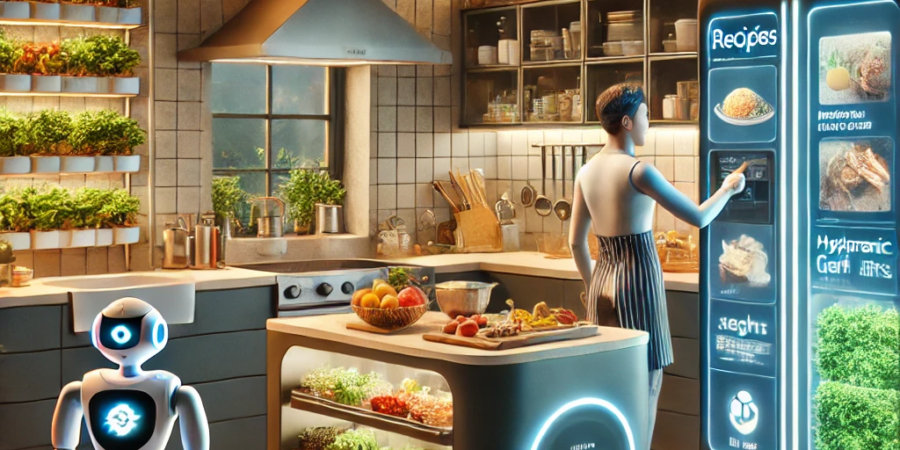
Imagine stepping into a kitchen that’s alive with intelligence. The countertop weighs your ingredients, the fridge not only knows what’s inside but suggests tonight’s dinner, and the pantry automatically replenishes itself. No more “I forgot to buy milk” moments, just pure, uninterrupted creativity. This isn’t just sci-fi; it’s the emerging reality of tomorrow’s kitchen.
For years, I’ve watched these ideas grow from distant dreams to tangible technologies, helping clients and industries envision where the kitchen of the future is headed. But here’s the twist: it’s not about tech intruding on our lives; it’s about reimagining the kitchen as a space that truly supports us, enhancing our lives and enriching our meals in ways we’re only beginning to imagine.
So, what’s cooking in the future kitchen? Let’s dive into this transformative space, touching on the evolving role of AI, smart gadgets, and sustainable solutions in creating a kitchen that’s not only functional but also magical. We’ll explore the impact on real estate, nutrition, and the culinary arts and share insights for industry strategists looking to leverage these trends.
The Evolution of Kitchens: From Hearth to High-Tech Hub
It’s funny to think that, just over a hundred years ago, kitchens were hidden away, used solely for practical purposes. In those days, kitchens were places of labour rather than celebration. Fast forward to today, and kitchens have become the heart of our homes, a social hub where we connect, cook, and create.
During a recent segment on Triple M Albany, we discussed how today’s smart kitchens, complete with fridges that track inventory and AI that suggests recipes, feel like a glimpse into the future. These technologies aren’t just for show; they’re making cooking easier, healthier, and more imaginative. As Atlas said, it’s like the kitchen is starting to “come alive,” taking care of the little details so we can focus on the bigger picture: creating, experimenting, and sharing meals with the people we love.
The Future of Kitchens: What Awaits?
1. The Intelligent Kitchen: AI That Understands You
Think of a kitchen that knows your tastes, remembers your dietary needs, and adjusts cooking methods to your preference. With AI-driven recipe assistants and smart fridges that suggest dishes based on what’s available, cooking can become an intuitive experience. It’s like having a sous-chef on standby. Google’s AI recipe tool, for example, can generate meal ideas based on available ingredients and desired cuisine, taking the guesswork out of meal prep. Imagine telling your kitchen, “I want something Italian,” and having it pull up a perfectly curated recipe with a list of missing ingredients sent directly to your grocery app.
During my Radio 3 Hong Kong interview, I described how these AI advancements enable us to focus on creativity. AI can take care of the mundane details, freeing us to be more experimental and adventurous. It’s the perfect blend of human intuition, machine precision, and AI’s learning capabilities, a concept I call H.U.M.A.N.D. The HUMAND kitchen enhances our cooking without taking away the joy of hands-on creativity.
Check out my article on future home spaces and technology.
2. Gadgets Galore: The Tech Bringing Future Kitchens to Life
What’s a futuristic kitchen without a few incredible gadgets? Here’s a taste of the tools that are redefining kitchen convenience:
- Smart Rubbish Tins: Say goodbye to out-of-stock staples. This rubbish tin scans items as you throw them away, automatically updating your shopping list and ensuring you never run out of essentials.
- AI-Driven Herb Gardens: Fresh herbs at your fingertips. Hydroponic gardens fit right into your kitchen counter, using AI to monitor growth and adjust light and water levels, ensuring year-round freshness.
- Voice-Activated Mixologists: Craving a cocktail? With a simple voice command, your kitchen’s AI bartender can whip up a mojito, a gin and tonic, or even create a new recipe based on your preferences.
- Flexible Induction Countertops: These surfaces double as cooking areas that only activate with specific cookware, making them both versatile and safe. No more traditional stovetops; your entire counter can transform into a cooking station with the press of a button.
3. Sustainable and Self-Sufficient Kitchens
Sustainability is essential in future kitchen design. New technology aims to reduce waste and make sustainable practices easier. For example, smart fridges now track food expiration dates, suggesting meals that use ingredients before they spoil. Imagine having your fridge remind you to use up that bunch of spinach, preventing waste and saving money.
Indoor hydroponic gardens are also set to become household staples, letting people grow fresh herbs and veggies right in their kitchens. These AI-monitored setups use minimal water and no soil, providing fresh produce without adding to food miles. The future kitchen isn’t just about convenience, it’s about promoting a more sustainable, eco-friendly way to live.
Why Future Kitchens Matter Across Industries
Real Estate
The kitchen is often the most valuable room in the home, sometimes accounting for 10-15% of a property’s value. Future homebuyers are looking for kitchens that offer more than function; they want kitchens that enhance lifestyle. Smart kitchens, with AI-driven features, could significantly increase property value, attracting tech-savvy buyers who crave efficiency.
Health and Nutrition
The integration of health monitoring tools in kitchens means that they’ll soon be able to support dietary goals, track nutrition, and even suggest healthier options. This could be transformative, helping people make better food choices without the need for constant vigilance. I’ve discussed this impact further in my piece for House & Garden.
Hospitality and Culinary Arts
Far from replacing chefs, AI in the kitchen can support the culinary arts by taking care of precision tasks. Imagine a restaurant kitchen where AI handles routine tasks like timing and temperature adjustments, allowing chefs to focus entirely on creativity. This could redefine fast food and fine dining alike, making high-quality cuisine more accessible.
Next Steps for Industry Leaders
- Forge Partnerships with Tech Brands
Collaborate with appliance companies to create future-ready kitchen packages, offering homebuyers an edge in convenience and lifestyle. - Highlight Eco-Friendly Features
Sustainability is now a priority for many buyers. Green kitchens with smart storage, waste-reducing appliances, and herb gardens can enhance property appeal. - Educate Consumers
Host demos to show how smart kitchens can transform daily routines, making life easier and healthier. The more people understand these benefits, the more they’ll value these features. - Offer Hybrid Designs
Not everyone wants a fully automated kitchen. By blending traditional and modern elements, you can appeal to a wider audience, from foodies to busy professionals.
The Future Kitchen Awaits: What’s on Your Menu?
Kitchens have always been the heartbeat of the home. In the future, they’ll not only nourish us but also connect us with healthier choices, save time, and open up new realms of culinary possibility.
Imagine cooking alongside a team, where you bring the creativity, the machines bring precision, and AI offers guidance.
So, here’s a question: If you could cook anything in your future kitchen, what would it be? Let your imagination run wild!
For more on the kitchens of the future listen to my podcasts:
Hong Kong Radio 3 Phil Whelan (17 minutes 48 seconds)
Triple M Breakfast Atlas Cook (5 minutes 08 seconds)
About Morris Misel
Morris Misel is a global futurist with over 30 years of experience helping industries anticipate and embrace what’s coming next.
He’s delivered more than 2,600 keynotes, works with Fortune 500 companies, and is heard by millions globally each year on stage and in the media.
#FutureKitchen #SmartKitchen #AIDrivenCooking #KitchenTechnology #SustainableDesign #KitchenInnovation #HUMANDConcept #SmartHome #RealEstateTrends #KitchenGadgets #FutureOfCooking #HomeAutomation #DecisionMakers #IndustryTrends #FutureLiving #HealthAndWellness #CulinaryTrends #FutureHousing #KitchenDesign #IntelligentHomes #SustainableLiving #HighTechHome
Frequently Asked Questions
Q: What are the most significant foresight signals reshaping the kitchen and food preparation?
Several signals are converging. AI-assisted meal planning and shopping is beginning to reduce food waste and improve nutrition for households that adopt it. Robotic preparation systems are becoming capable in commercial kitchens for specific high-volume, low-variability tasks. Alternative proteins are expanding the ingredient landscape in ways that require different preparation and storage approaches. And the social function of cooking, the kitchen as gathering and connection space, is becoming more rather than less important as other social spaces fragment.
Q: What does the smart kitchen signal mean for appliance manufacturers and retailers?
That the value proposition is shifting from individual appliance performance to ecosystem integration. The kitchen that has connected appliances sharing information (the refrigerator that knows what needs to be used, the oven that knows the recipe, the shopping system that knows what is running low) creates a combined experience that is significantly better than the sum of its parts. Manufacturers who build for integration will outcompete those building superior isolated appliances.
Q: How does food culture interact with technology adoption in the kitchen?
With significant friction. Food has deep cultural, emotional, and identity dimensions that make people resistant to technology that feels like it is replacing rather than supporting their relationship with cooking. The smart kitchen technologies that are succeeding are those that handle the administrative and logistical burden (inventory, planning, timing) while leaving the creative and social aspects of cooking fully in human hands. Technologies perceived as de-skilling or replacing the human pleasure of cooking face adoption resistance regardless of their functional superiority.
Q: Can Morris Misel speak on food futures, retail food technology, and consumer behaviour for our industry event?
Yes. Food futures and consumer behaviour are regular keynote topics for food, retail, and hospitality audiences. Book at morrismisel.com.
The Future Kitchen describes the convergence of AI, biotechnology, and smart systems reshaping how food is grown, prepared, and consumed. It matters because organisations across hospitality, retail, health, and agriculture face genuine disruption from these shifts. Understanding what is already arriving, rather than waiting for full impact, is where strategic advantage begins.
Foresight applied to the Future Kitchen means looking beyond the novelty of smart appliances and robotic food prep to understand who benefits, who misses out, and what changes in workforce capability and consumer expectations. Leaders who map these ripple effects early are better positioned to make choices before the disruption forces their hand.
Misreading the Future Kitchen tends to surface downstream rather than immediately. Organisations that back the wrong technology too early, or the right one too late, find the consequences in workforce skill gaps, customer trust erosion, and supply chain fragility. Second and third-order effects in food systems often arrive faster than leaders expect.


One comment
Pingbacks and Tracebacks
[…] https://www.morrisfuturist.com/future-kitchen-ai-cooking-intelligent-design/ […]