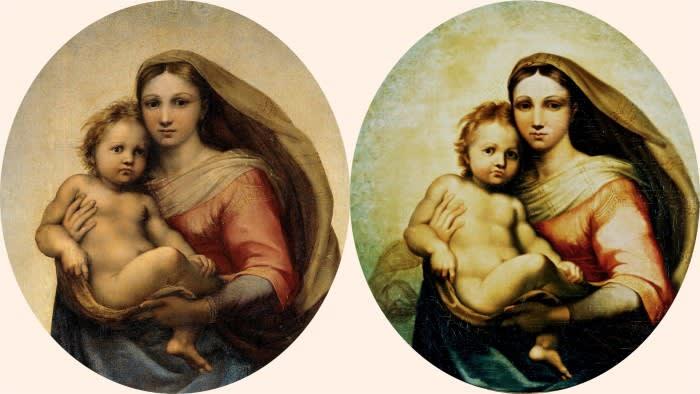
AI and Art A Masterpiece in the Making
One of the provocative hand grenades I love throwing into a client’s foresight discussion is an example of an obscure industry and how it’s adopting a new technology or change.
In a recent strategy session I used the one about AI deciding if paintings were real or fake, here’s how it goes…
Imagine AI systems analysing brushstrokes, identifying patterns, and even attributing works to renowned artists.
AI excels at pattern recognition, making it really good at identifying stylistic nuances within an artist’s body of work. But all of this greatness is still affected by the quality and comprehensiveness of the data fed into AI systems. If the training data is flawed, then the conclusion has to be flawed.
The article goes on to say human judgment and experience remain invaluable in art authentication.
Factors like an artwork’s history, the artist’s known techniques, and even the subtle nuances of aged materials cannot be fully grasped by AI alone (yet).
By using the strengths of both, we create a more robust and reliable system for art authentication, while ensuring the irreplaceable human touch remains at the forefront.
Moral of the Story: The future of AI in art authentication lies in collaboration between human expertise and the growing potential of AI.
One of the Managers in the group summed it best by saying: Calm down! AI’s a tool we will absolutely use, we just need to figure the best uses for it for us and then figure out what’s left for our incredible wise humans to do.
Which is exactly what we did.
We designed a road map of intersecting and standalone business task descriptions (things the business does every day and some days), broke them down into tasks humans will likely continue to do into the future and then tasks technology of all sorts, including AI, might do in the next 1,2 and 5 years.
And just like that we have the beginnings of a great strategic plan. I’m really looking forward to the next instalment.
So, what does your 1, 2, 5 years human and technology task road map look like?
Let’s explore the future, together!
#AI #ArtAuthentication #FutureofTechnology #ForesightStrategy #workshop #strategy #CEO
Frequently Asked Questions
Q: Can AI actually create art?
It depends entirely on how you define art. AI systems can produce images, music, and text that are aesthetically sophisticated, emotionally resonant, and technically skilled by any measurable standard. Whether that constitutes art (whether it requires intention, experience, or consciousness) is a philosophical question that the technology has forced into the open. The practical reality is that AI-generated images are being sold, exhibited, and awarded prizes. The market has decided the question more quickly than the philosophy has.
Q: What does AI art mean for human artists?
Significant disruption in specific commercial segments (stock illustration, certain categories of graphic design, standard visual content production) and a more complex picture for fine art and genuinely creative work. The artists who are most affected are those whose value was primarily technical execution of established styles. Artists whose value is in concept, voice, relationship with their audience, and the meaning-making that comes from lived experience are less directly threatened, though the market pressure is real.
Q: What are the intellectual property implications of AI-generated art?
Deeply unresolved and actively contested. The training data question, whether using copyright works to train AI systems constitutes infringement, is being litigated in multiple jurisdictions. The output question (who owns the copyright in an AI-generated work, if anyone) is unresolved in most legal systems. This is an area where the law is significantly behind the technology.
Q: Can Morris Misel speak on AI creativity, intellectual property futures, and the creative economy?
Yes. AI and creativity, the future of creative industries, and IP in the AI era are regular keynote and advisory topics. Book at morrismisel.com.
One of the provocative hand grenades I love throwing into a client’s foresight discussion is an example of an obscure industry and how it’s adopting a new technology or change. In a recent strategy session I used the one about AI deciding if paintings were real or fake, here’s ho.
The impact of AI and Art A Masterpiece in the Making goes beyond process efficiency. It reshapes roles, redistributes decision-making authority, and changes the human skills that matter most. Leaders who understand these second and third-order consequences early have a real advantage over those waiting for the technology to stabilise before engaging.
The most important question is not whether AI and Art A Masterpiece in the Making will matter, but how quickly it will matter in your specific context. Leaders benefit most from mapping the ripple effects early — not just the direct impact but the second and third-order consequences that arrive later and hit harder. That is the practical work of foresight.


One comment
Pingbacks and Tracebacks
[…] like with fancy new tech in my art authentication blog post the other week, AI becomes a powerful tool when used by savvy […]