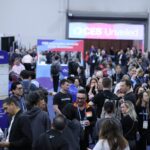
CES 2026 Day Two: When the Future Stops Performing and Starts Working
Day One at CES is always about spectacle.
Day Two is when the future sobers up.
This is the day when the noise settles, the press releases thin out slightly, and what’s left on the floor begins to tell a more honest story. Less theatre. More intent. Fewer slogans. More systems.
I’ve followed CES for decades now, and this pattern repeats every year. Day Two is where you start to see which ideas can survive daylight.
And CES 2026’s Day Two revealed something important.
The future on show this year isn’t trying to impress us anymore.
It’s trying to be useful.
The Shift on Day Two: From “Look at This” to “This Actually Does Something”
By Day Two, a lot of the gimmicks start to fade into the background. What rises instead are technologies that quietly solve problems, reduce friction, or take responsibility for tasks humans are tired of managing.
You could feel it across the halls.
Robots weren’t dancing.
AI wasn’t explaining itself.
Devices weren’t begging for attention.
They were just… working.
Robots That Fold Laundry and Don’t Apologise for It
One of the most talked-about sights on Day Two wasn’t flashy at all.
It was a robot folding laundry.
SwitchBot’s humanoid household robot, the Onero H1, drew crowds not because it looked futuristic, but because it was stubbornly ordinary in what it was doing. Folding clothes. Serving items. Cleaning windows. Mundane, repetitive, thankless work.
This wasn’t Rosie from The Jetsons.
It was closer to an intern that doesn’t complain.
This is what CES increasingly calls Physical AI. Robots and machines with enough intelligence to operate in the real world, not just on screens. We used to just call them robots. Now they’re being reframed as infrastructure.
You don’t marvel at infrastructure.
You rely on it.
AI Is Leaving the Cloud and Moving to the Edge
Another clear Day Two signal was the continued shift of AI out of the cloud and into devices.
This matters more than most people realise.
Reolink’s new AI Box keeps camera intelligence local rather than streaming everything to the cloud. Ring’s expanded sensor ecosystem leans on low-power, local networking. Even security and wildfire alerts are becoming edge-based rather than server-centric.
This is quieter AI.
Less spectacle.
More trust.
It also hints at a growing discomfort with systems that know too much, too far away from where decisions are made.
Screens Are No Longer Screens. They’re Surfaces.
Yes, the big displays were still there.
Dell’s 52-inch UltraSharp monitor stopped people in their tracks. Four virtual screens in one. 6K resolution. Built for people who live inside complex workflows.
LG’s ultra-thin OLED Wallpaper TVs pushed the idea further. Screens as architectural surfaces rather than devices. Mounted. Integrated. Almost invisible when not in use.
This isn’t about watching more content.
It’s about where attention lives.
Screens are becoming rooms, desks, walls and environments.
AR Glasses, But This Time They’re Serious
Augmented reality has been “almost ready” for years. Day Two suggested it’s finally finding its footing.
The ROG Xreal R1 AR gaming glasses, developed by Asus and Xreal, put a 240Hz micro-OLED display directly on your face. A virtual 171-inch screen. Electrochromic lenses. Spatial audio.
This isn’t a concept video.
It’s a product.
AR at CES 2026 isn’t trying to replace phones or laptops yet. It’s carving out purpose-specific roles: gaming, training, sport, focused work.
That’s how technologies survive.
By finding a job before trying to change the world.
Health Tech Moves from Measurement to Meaning
Day Two also deepened the longevity and everyday health theme that surfaced earlier.
Withings’ Body Scan scale, measuring up to 60 biomarkers in under two minutes, wasn’t just about data collection. It’s about trajectories. Trends. Long-term signals rather than daily obsession.
BirdBuddy’s AI-powered bird recognition might sound whimsical, but it’s part of a broader pattern: devices that combine vision, sound and context to make sense of environments without human micromanagement.
Even toothbrushes, wearables and sleep tech are shifting tone. Less gamification. More quiet coaching.
This is health tech growing up.
Mobility Isn’t About Cars Anymore
Cars were there. Of course they were.
But mobility at CES 2026 isn’t about horsepower or dashboards. It’s about systems that anticipate movement.
Autonomous airport vehicles handling logistics.
Vehicles booking parking or charging ahead of arrival.
Micromobility concepts that blur the line between vehicle and assistant.
The message on Day Two was subtle but consistent: movement is becoming coordinated, not commanded.
And Then There’s the Stuff That’s Just… CES
Because it wouldn’t be CES without some wonderfully odd ideas.
A robot vacuum with legs that climbs stairs.
A drone described as “there’s never been anything quite like it”.
An AI bartender that still needs some work.
Lego bricks with embedded sensors that respond to play.
Some of these will disappear.
Some will evolve quietly.
A few will surprise us years later.
CES has always been good at this. Showing us ideas before we know what to do with them.
Why Day Two Matters More Than Day One
Day One tells you what companies want you to see.
Day Two tells you what they’re serious about.
CES 2026’s second day revealed a future that is less performative and more practical. Less obsessed with explaining itself. More confident in simply showing up and working.
That’s not a small shift.
It suggests a maturing relationship between humans, machines and systems. One where technology doesn’t need applause. It just needs to earn its place.
That’s the real signal emerging from the floor.
If you missed my Day One walk-through of CES 2026, you can read it here:
👉 https://www.morrisfuturist.com/ces-2026-insights-morris-misel/
Over the coming days, I’ll continue pulling apart what’s surfacing, what’s fading, and what’s quietly becoming inevitable.
Because the future rarely arrives announced.
It arrives installed.
Choose Forward
#CES2026 #CESDayTwo #MorrisMisel #FutureOfTechnology #StrategicForesight #Leadership #AI #Robotics #PhysicalAI #HealthTech #Mobility #Innovation #DecisionMaking #ChooseForward