Shiny new Apples / Hong Kong radio 3
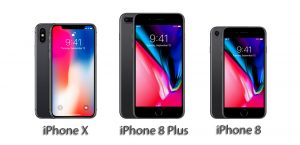
On the day of Apple’s announcement of all things new and shiny including the iPhone 8 and X, Phil Whelan of HK3 and I asked our annual questions Why and What For?
Now, I love Apple and am not going to rain on their very successful parade, but given that this was the 10th anniversary of the iPhone I so wanted was bigger, better and wow and what I got was catch up, expensive and good.
It’s easy to be an armchair critic and yes it has some wonderful new kit and is beautiful to look at and easy to use, but lots of it is just catch up with what’s already out there (wireless charging, full screen etc) and very little of it is bleeding edge (perhaps their VR and AR applications may be when they’re fully cooked). also announce was Apple TV which looks good, the Apple Watch 3 for those that love it is definitely a step forward now that you can use it independent of the iPhone’s SIM card.
The more interesting part of today’s’ chat was reminiscing about the last ten years and how much the world has changed since the first iPhone, how dependent we have become on this technology, how it literally changed our view of the world, spawned so many new industries and jobs and how quickly we have all evolved to become Homo Cyborgs forever more tethered to technological umbilical chords.
So have a listen (15 minutes 33 seconds) share your thoughts and let me know what you want to see in the next iPhone
Frequently Asked Questions
Q: Why do we keep upgrading our devices even when the changes are incremental?
Because the marketing machinery around technology is extraordinarily good at generating novelty anxiety, the feeling that what you have is already inadequate. This is engineered. It is also useful to understand, because it helps you distinguish genuine capability advances from cosmetic iteration.
Q: When does incremental technology improvement become transformative?
When it crosses a threshold that changes what is possible, not just what is convenient. Camera quality that enables professional-grade photography on a phone changes careers and creative possibilities. Battery capacity that enables an all-day device changes how people work. The increments matter when they compound to a qualitative shift.
Q: How should organisations evaluate new technology investments?
By asking the capability question, not the novelty question. Not ‘is this new?’ but ‘does this change what we can do, what we can offer, or what our costs are?’ The Ripple Effects™ of genuine capability advances are worth mapping carefully; incremental improvements rarely are.
Q: Can Morris Misel speak about technology evaluation, innovation cycles, and strategic investment?
Yes. For keynotes on technology strategy and digital futures, visit morrismisel.com/event-organisers.
On the day of Apple’s announcement of all things new and shiny including the iPhone 8 and X, Phil Whelan of HK3 and I asked our annual questions Why and What For? Now, I love Apple and am not going to rain on their very successful parade, but given that this was the 10th annivers.
When signals like Shiny new Apples / Hong Kong radio 3 emerge, organisations that engage early have the advantage of choosing their response rather than reacting to events. That gap between those who prepared and those who did not is where competitive positioning is actually made or lost.
The most important question is not whether Shiny new Apples / Hong Kong radio 3 will matter, but how quickly it will matter in your specific context. Leaders benefit most from mapping the ripple effects early — not just the direct impact but the second and third-order consequences that arrive later and hit harder. That is the practical work of foresight.
