To survive as a retailer, the only thing you need to do is… / ABC Far North
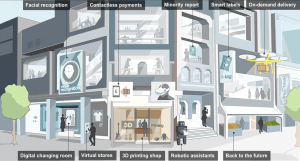 I’ve been bombarded with client and media requests in the last few weeks all asking about the Future of Australian Retail and what might happen in a post-Amazon world.
First advice, take a deep breath and calm down.
Second, think back to the hysteria of 2008 / 2009 when online shopping first hit Australia and Gerry Harvey and many others declared the imminent death of all retail stores and I’m fairly sure a decade on, we still have lots of great physical stores we can walk into and shop at and a resurgence of the local strip shopping centre.
The retail world has changed, of course and there’s been a huge uphill battle to come to terms with the new omni-channel always open retail landscape.
Some have lost the battle and disappeared. Others have joined it and won.
But those that have succeeded all seem to have one thing in common – the ability to provide an incredible consumer experience (CX is the new buzzword for this).
In this brave new retail world, we have to create opportunities out of roadblocks and take a broader view of where the cash register has to ring.
It may not ring in store, it may ring online, but does it really matter where as long as it rings?
Physical retail still has its place perhaps it is for the immediate purchase of goods, perhaps it’s for showrooming and trial, perhaps it’s for pick up of online orders, maybe it’s to engage with an expert before making a decision, maybe it’s to build and reinforce a brand community.
The only job a great retailers has is to make sure that every customer touch-point, whether physical, mobile or online is incredible and satisfying, because that’s what causes cash registers to ring.
And this is where I picked up the conversation with ABC’ Far North’s Phil Staley in our regular catch looking at all things future of retail, so have a listen now (12 mins 24 secs) and then let me know your favourite retailers and why..
Frequently Asked Questions
Q: What separates surviving retailers from struggling ones?
Clarity about what they offer that a screen cannot. The retailers who are thriving have made a deliberate choice about their irreplaceable value (whether that is expertise, experience, community, immediacy, or sensory engagement) and have invested in delivering it exceptionally well.
Q: What mistakes are most retailers making?
Competing on price and convenience against platforms that are structurally better at both. Physical retailers cannot out-Amazon Amazon. The correct response is to stop trying and instead build the things that Amazon cannot replicate: human connection, curation, tactile experience, and local community.
Q: What should a retailer do this week to start this transition?
Audit your customer experience and identify the three moments where a customer’s reason to be in your store rather than online is most clearly delivered. Invest there first. Then identify the moments where you are offering nothing that a website cannot offer better, and consider eliminating them.
Q: Can Morris Misel speak about retail futures and digital disruption at your event?
Yes. For keynotes on retail transformation and consumer experience, visit morrismisel.com/event-organisers.
I’ve been bombarded with client and media requests in the last few weeks all asking about the Future of Australian Retail and what might happen in a post-Amazon world. First advice, take a deep breath and calm down. Second, think back to the hysteria of 2008 / 2009 when online sh.
When signals like To survive as a retailer, the only thing you need to emerge, organisations that engage early have the advantage of choosing their response rather than reacting to events. That gap between those who prepared and those who did not is where competitive positioning is actually made or lost.
The most important question is not whether To survive as a retailer, the only thing you need to will matter, but how quickly it will matter in your specific context. Leaders benefit most from mapping the ripple effects early — not just the direct impact but the second and third-order consequences that arrive later and hit harder. That is the practical work of foresight.
