Your Brain’s New World: Neuromarketing and What It Means | Morris Misel
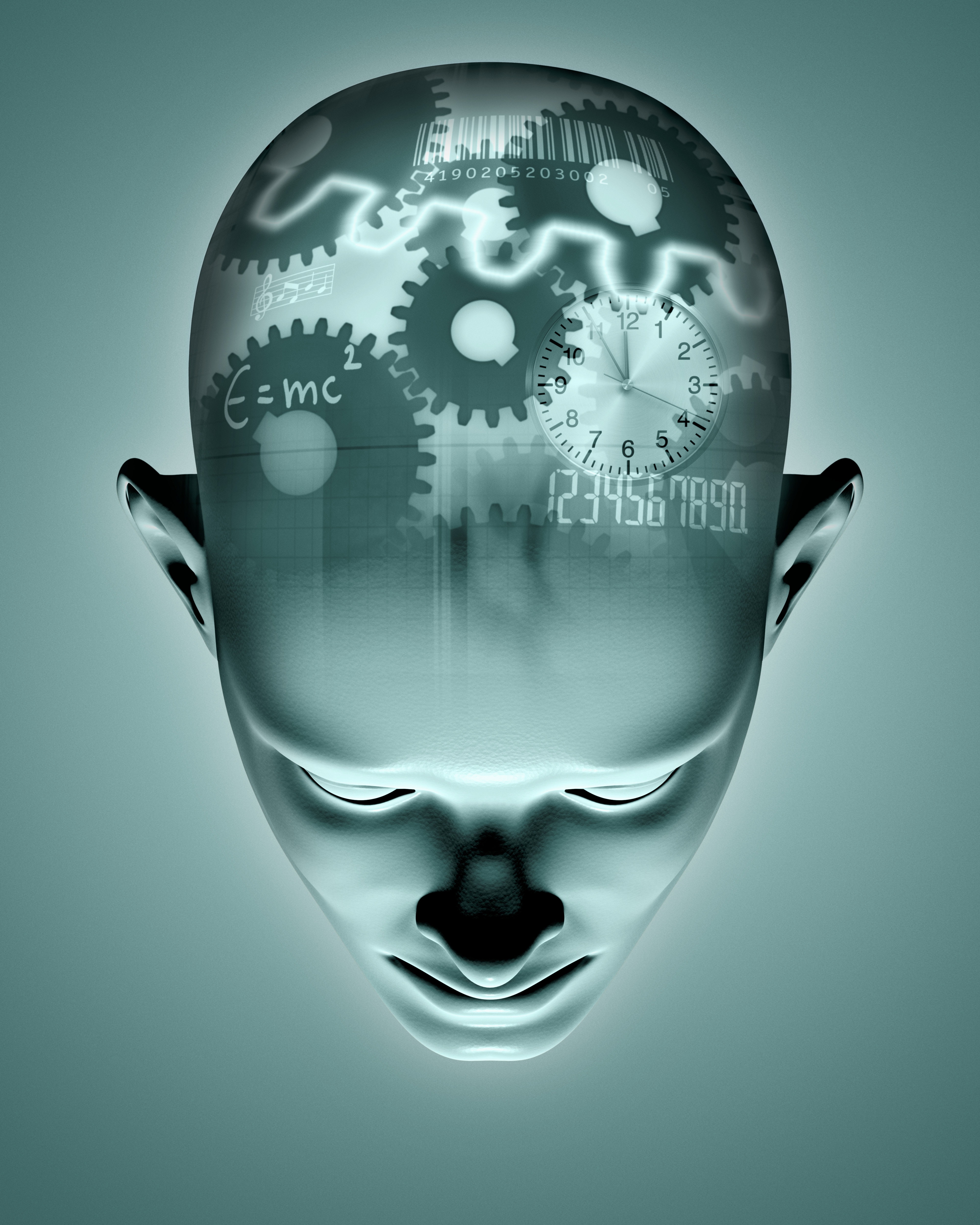 Back in the 1950s a cinema in the US tried to push its merchandising efforts by flashing up ‘Eat Popcorn’ and ‘Drink CocaCola’ subliminally through a movie. This sort of advertising is not permitted these days, it probably didn’t work anyway, but advertisers are doing a lot more to influence behaviour using neuroscience.
This could just be the beginning of how marketers and product manufacturers start using our brain. In this edition of BTalk business futurist Morris Miselowski talks about how researchers at the Tel Aviv University have stored some of a brain’s activity on a memory chip. Imagine that, being able to dump part of your brain onto a removable drive. Or plug in the past from someone who has had a more interesting life.
It’s the stuff of science fiction novels, of course, but as we understand more about our brain the more the opportunity arises for products that interface with our brain, like driving your car just by thinking your way through. Morris calls this a brain-machine interface? Where will it all end?
(taken from BTalk)
Listen now (18 mins 58 secs):
Frequently Asked Questions
Q: What is neuromarketing and how does it work?
Neuromarketing uses brain imaging, biometric sensors, and psychological research to understand how consumers actually respond to products, brands, and messages at a subconscious level. It moves beyond self-reported preferences to measure emotional and cognitive responses directly.
Q: Is neuromarketing ethical?
Neuromarketing raises genuine questions about consent and manipulation. When advertising is designed to bypass conscious decision-making, the boundary between persuasion and exploitation becomes genuinely contested. Morris Misel has explored these questions as part of the broader ethics of technology and behaviour change.
Q: How does understanding brain function change leadership and communication?
Leaders who understand how the brain processes stress, novelty, and social connection can design meetings, communications, and environments that work with human psychology rather than against it. This is a practical application of neuroscience that does not require a laboratory.
Q: How can I book Morris Misel for a consumer behaviour or leadership keynote?
Contact the booking team at morrismisel.com/event-organisers.
Back in the 1950s a cinema in the US tried to push its merchandising efforts by flashing up ‘Eat Popcorn’ and ‘Drink CocaCola’ subliminally through a movie. This sort of advertising is not permitted these days it probably didn’t work anyway but advertisers are doing a lot more.
When signals like Your Brain’s New World emerge, organisations that engage early have the advantage of choosing their response rather than reacting to events. That gap between those who prepared and those who did not is where competitive positioning is actually made or lost.
The most important question is not whether Your Brain’s New World will matter, but how quickly it will matter in your specific context. Leaders benefit most from mapping the ripple effects early — not just the direct impact but the second and third-order consequences that arrive later and hit harder. That is the practical work of foresight.

Comments: 2
Your eye on the future RSS feed request to Before It’s News
Hi morris miselowski
My name is Ben Chasteen and I’m the Science/Technology editor at Before It’s News http://www.beforeitsnews.com. Our site is a People Powered news platform with over 4,000,000 visits a month and growing fast. We like to think of our selves as the “You Tube” of news.
We would be honored if we could republish your blog RSS feed in our Science/Technology category. Our readers need to read what your Your eye on the future blog has to say.
Syndicating to Before It’s News is a terrific way spread the word and grow your audience. Many other organizations are using Before It’s News to do just that. I just need you to reply with your permission to do so. Please include the full name and email of the person who will be attached to the account, and let me know the name you want on the account (most people have their name or their blog name).
You can also have any text and/or links you wish appended to the end or prepended to the beginning of each of your posts on Before It’s News. Just email me the text and links that you want at the beginning and/or ending of each post. If you know html you can send me that. If not, just send me the text and a link to your site. It should be around 200 characters or less (not including links).
You can, if you like, create a custom feed for Before It’s News that includes multiple links back to your blog or web site. We only require that RSS feeds include full stories, not partial stories. We don’t censor or edit work.
Thank you,
Ben Chasteen
Science/ Technology Editor
Before It’s News
775 East Blithedale Ave. #362
Mill Valley, CA 94941
ben@beforeitsnews.com
http://www.beforeitsnews.com
_________________________
Hi Morris,
I have a question about the picture you published next to this article. Is it your own?
I work for a committee from the University of Twente, in the Netherlands. We organize a ‘student think tank’. I am designing the poster for this event at the moment and I would really like to use this picture on it. It will only be used for our own promotion.
Can we use your picture?
Please send an e-mail to: pr@createtomorrow.nl
Thanks a lot in advance!
Charis