The first space nation has just been created / Hong Kong Radio 3
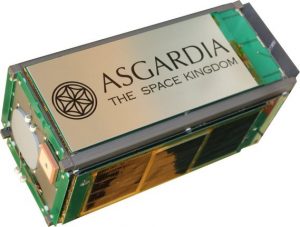 A momentous and slightly bizarre event occurred last week with the launch of a satellite into earth’s orbit carrying the names, flags, anthems, charter and knowledge of an entirely new virtual human territory and race of human aliens, all residents of the newly minted virtual space country of Asgardia.
In Norse mythology, Asgard is a city in the skies, the country of the Gods and its new space nation incarnation describes its purpose as:
“To serve entire humanity and each and everyone, regardless of his or her personal welfare and the prosperity of the country where they happened to be born.
Asgardia’s philosophical envelope is to ‘digitalise’ the Noosphere, creating a mirror of humanity in space but without Earthly division into states, religions and nations.
In Asgardia we are all just Earthlings!”
My interest is not in the establishment of this new virtual nation, nor of its science fiction possibilities, but in its newness of response to one of the longest held human desires, to visit, conquer and live in space.
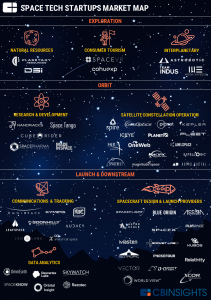 Two years ago Space Tech had $0 venture capital funding. Today it has a combined war chest of US$4 billion and space colonisation conversations from Elon Musk and Richard Branson, among many others, don’t seem quite as science fictiony anymore and are slowly drifting into the realms of reality with a likelihood that it will occur within our kids lifetime.
The notion of conquering space is not just about colonisation, there are far more pragmatic and commercial desires.
In the very near future we will mine asteroids, create a space tourism industry, further the reach and use of satellites, improve communication and tracking devices and so much more.
Space is becoming big business and we are literally at the same start-up frenzy stage as we were in the 1850’s gold rush start-up era. Lots of possibilities, lots of potential riches, but nobody knows quite sure how, where or if it’s even a real thing.
In this weeks on-air discussions we look at these issues, chat about who owns space, do we have the right to mine asteroids, what environmental issues are there for space exploration and mining, who owns space and even pose and opinion or two about whether aliens exist.
A great conversation, well worth a listen.
Hong Kong Radio 3, Phil Whelan, 14 November 2017, 18 mins 04 secs:
Frequently Asked Questions
Q: What is Asgardia and is it serious?
Asgardia is a self-declared space nation seeking recognition as a sovereign state in orbit. The project is partly symbolic and partly serious, the people involved include credentialed scientists and lawyers working on genuine questions about how governance, law, and sovereignty might function beyond Earth.
Q: What does the interest in space nations reveal about our relationship with Earth-based governance?
That a significant number of people feel the current framework of nation-states, borders, and legal jurisdictions is inadequate for the problems we face globally, or that it is a constraint they would prefer to operate outside of. Space as a governance frontier is an interesting signal about dissatisfaction with existing institutions.
Q: What are the Ripple Effects™ of serious space colonisation on Earth?
Property rights, mineral extraction rights, governance frameworks, and military strategy in space will all require new international frameworks. The law of the sea took decades to negotiate. The law of space is still largely theoretical and will require comparable effort to establish.
Q: Can Morris Misel speak about space futures, governance, and humanity’s long-term trajectory?
Yes. For keynotes on space, civilisational futures, and long-range foresight, visit morrismisel.com/event-organisers.
A momentous and slightly bizarre event occurred last week with the launch of a satellite into earth’s orbit carrying the names, flags, anthems, charter and knowledge of an entirely new virtual human territory and race of human aliens, all residents of the newly minted virtual spa.
When signals like The first space nation has just been created / Hong emerge, organisations that engage early have the advantage of choosing their response rather than reacting to events. That gap between those who prepared and those who did not is where competitive positioning is actually made or lost.
The most important question is not whether The first space nation has just been created / Hong will matter, but how quickly it will matter in your specific context. Leaders benefit most from mapping the ripple effects early — not just the direct impact but the second and third-order consequences that arrive later and hit harder. That is the practical work of foresight.
