What new foods will we be eating in 2030? / ABC Far North
 By 2030 global demand for food will have increased by 35%, to feed an additional 1 billion people and by 2050 we will have to have raised the stakes again by another 50% to feed yet another 1 billion people.
This leaves us with a growing (pun intended) conundrum, of having to provide more food, to more people, in more places, with less land, less water and less people to grow it with.
The maths just doesn’t add up, but some how we have to find a way to do it.
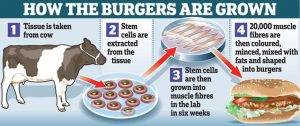
In this weeks segment, ABC Far North’s morning host Kier Shorey and I take a look at all things Future of Food and explore how we might grow more with less by looking at foods we might eat that we don’t now and growing foods in ways we don’t currently do, including lab grown meat, eating insects and 3D meal printing.
A vital discussion, so take a listen and then share your thoughts on what might be on tomorrow’s dinner plate (11 minutes 24 secs).
Frequently Asked Questions
Q: What will we be eating in 2030?
A more diverse, deliberately produced diet. Lab-grown and plant-based proteins will be mainstream rather than niche. Vertical farming will supply more fresh produce to urban populations. Insects will be normalised as a protein source in many markets. The overall direction is toward food systems that produce more with less land and fewer emissions.
Q: What are the Ripple Effects™ of food technology on agriculture?
Significant and uneven. The transition to lab-grown protein threatens traditional livestock industries, with major implications for rural economies. Vertical farming compresses supply chains, reducing transport emissions but also reducing the geographic footprint of agricultural employment. These are not distant possibilities. They are Immediate Futures™ already in commercial deployment.
Q: How should the food and agriculture sector prepare?
By distinguishing between the parts of the supply chain that are structurally at risk and those that are not, then investing in transition ahead of commercial pressure rather than after it. The organisations that will navigate this well are those that treat food technology as a strategic question, not a trend.
Q: Can Morris Misel speak about the future of food, agriculture, and consumption?
Yes. For keynotes on food futures and agribusiness transformation, visit morrismisel.com/event-organisers.
By 2030 global demand for food will have increased by 35%, to feed an additional 1 billion people and by 2050 we will have to have raised the stakes again by another 50% to feed yet another 1 billion people. This leaves us with a growing (pun intended) conundrum, of having to pro.
When signals like What new foods will we be eating emerge, organisations that engage early have the advantage of choosing their response rather than reacting to events. That gap between those who prepared and those who did not is where competitive positioning is actually made or lost.
The most important question is not whether What new foods will we be eating will matter, but how quickly it will matter in your specific context. Leaders benefit most from mapping the ripple effects early — not just the direct impact but the second and third-order consequences that arrive later and hit harder. That is the practical work of foresight.
