The history of future travel / Hong Kong 3, ABC Far North
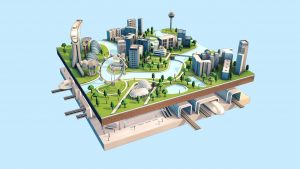 Humans are born with the travel itch, always eager to travel to and experience exotic lands.
In the last 100 years we have stepped up the speed and accessibility of long haul travel, with the cost of a Melbourne – London flight in the 1940’s costing of 122X the average weekly salary and taking about 3 days, and today it’s under 1 week salary and soon under 20 hours.
And there’s loads more of us flying, in 2016 3.6 billion people flew in 2030 this should rise to 6.7 billion, with the largest growth sectors in the Asia pacific regions..
On the eve of Qantas landing its first Dreamliner plane in Australia, and the promise of Perth – London direct and other long haul non stop flights on the horizon, we chatted this week about the future of long haul travel and asked will we ever see another significant change in the way we travel and the speed we travel at.
Last week Sir Richard Branson announced a £186m investment in Virgin Hyperloop One, the fast train recently touted by Elon Musk, and was first spoken about in the 1890’s, thats puts people inside a pod that is inside a vacuum tube and send them from Melbourne to Sydney in under an hour.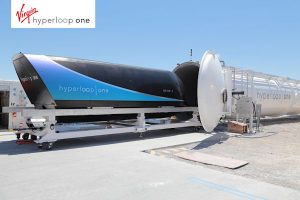
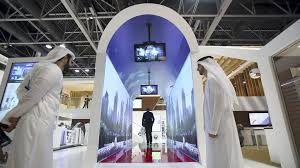 Dubai also announced last week the introduction of a face scanning walk through immigration tunnel that figures out who you are, where you’ve been, and what your visit intentions are all within the 15 seconds it takes you to walk through the tunnel and stare at the pretty pictures along the way, if all’s good your literally green lighted and “Welcome to Dubai” if not your red carded and a human steps in to have a chat.
One of my favorite all time future travel modes is the space elevator, Arthur C Clarke wrote about it in his 1979 The Fountains of Paradise, and scientists and engineers have believed for many decades that one day we will be able to build a space elevator that we can travel the 36000 kilometres from down here to a space station or hotel up there (most probably a 5 day journey). As strange as this may seem Japanese firm Obayashi is investing in it and exploring nano fibre carbon as perhaps being the game changing technology that allows us to finally build it.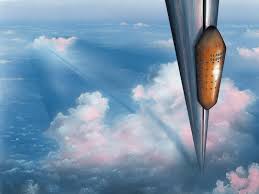
One future certainty is that we will continue to travel, but how and in what and how long it will take are all up for innovation and invention, so listen in now to these two interviews and then share your thoughts and Sci-fi dreams of future travel.
Kier Shorey, ABC Far North, 23rd October 2017 (12 mins 31 secs)
Barry Nicholls, ABC WA Drive Regional, 6 October 2017 (12 mins 31 secs)
Frequently Asked Questions
Q: What is the most significant change coming to transport?
Electrification and autonomy, converging simultaneously. Electric vehicles are already past the tipping point in many markets. Autonomous vehicles are closer than most people’s everyday experience suggests, the operational domain is expanding steadily. Together they will reshape urban design, logistics, and the economics of mobility.
Q: Will we have flying cars?
Urban air mobility is commercially deployed in several cities already, though at very small scale. The technology is real. The regulatory, infrastructure, and noise management challenges are significant. The Immediate Future™ is air taxis in specific high-density urban corridors rather than the generalised flying car of science fiction.
Q: What are the Ripple Effects™ of autonomous vehicles?
Second and third-order effects include the reallocation of urban space currently used for parking, the disruption of car insurance, the transformation of long-haul trucking, and the potential for autonomous vehicles to extend mobility access to elderly and disabled populations who cannot drive.
Q: Can Morris Misel speak about the future of transport, mobility, and urban futures?
Yes. For keynotes on transport futures and smart cities, visit morrismisel.com/event-organisers.
Humans are born with the travel itch, always eager to travel to and experience exotic lands. In the last 100 years we have stepped up the speed and accessibility of long haul travel, with the cost of a Melbourne – London flight in the 1940’s costing of 122X the average weekly sal.
The window between a signal arriving and it demanding a response is shortening. The history of future travel / Hong Kong 3, ABC Far is already shaping strategy conversations in forward-looking organisations. Treating it as a future concern rather than a present one builds a preparedness gap that will have to be closed under pressure.
The most important question is not whether The history of future travel / Hong Kong 3, ABC Far will matter, but how quickly it will matter in your specific context. Leaders benefit most from mapping the ripple effects early — not just the direct impact but the second and third-order consequences that arrive later and hit harder. That is the practical work of foresight.
