Steve Jobs: What His Legacy Actually Demands of Leaders | Morris Misel
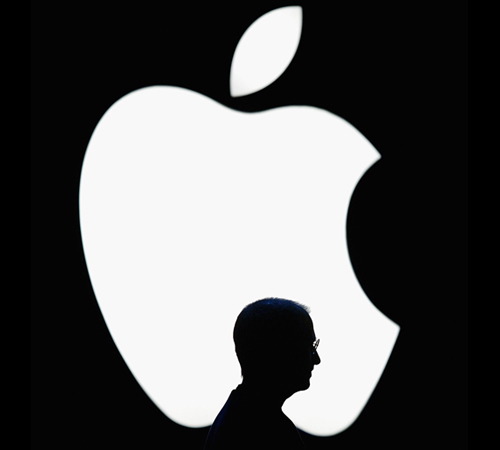 Steve Jobs legacy will be the cause of much writing and review but his place in history is, I’m sure, certain for bringing innovation and fresh thinking to the brave new computer and digital worlds.
Today as a tribute to the man I am choosing to reflect on his determination to see the future for what it had to be and not merely as a poor reflection of what has been.
In 2005 he told a group of Stanford graduates “remembering that I’ll be dead soon is the most important tool I’ve ever encountered to help me make the big choices in life. Because almost everything – all external expectations, all pride, all fear of embarrassment or failure – these things just fall away in the face of death, leaving only what is truly important”.
His gift to us all is that we figure out, in life, what is truly important to us, steel our determination, gather our courage and go for it.
Adelaine Ng of Radio Australia and I chatted about Steve’s legacy, Apple’s road ahead and where to now for innovation, in our on air tribute to Steve Job.
Frequently Asked Questions
Q: What is Steve Jobs’s real legacy for business and innovation?
Steve Jobs’s legacy is not the specific products he created but the discipline he brought to the question of what technology should feel like to a human being. He insisted that design, function, and emotional resonance were inseparable, which is a standard that remains difficult for most organisations to meet.
Q: What can leaders learn from Steve Jobs about innovation?
Jobs demonstrated that constraint drives creativity, that saying no to most things creates space for the few things that matter, and that vision without execution is vanity. The leaders who have genuinely absorbed his lessons are those who insist on quality at every level rather than speed at any cost.
Q: How does the culture of innovation outlast a single founder?
The organisations that sustain innovation beyond a founding visionary are those that embed the values behind the vision into their hiring, decision-making, and accountability systems. Culture is the mechanism; the founder is not the mechanism.
Q: How can I book Morris Misel for a technology or leadership innovation keynote?
Visit morrismisel.com/tech-and-startups or book at morrismisel.com/event-organisers.
Steve Jobs legacy will be the cause of much writing and review but his place in history is, I’m sure, certain for bringing innovation and fresh thinking to the brave new computer and digital worlds. Today as a tribute to the man I am choosing to reflect on his determination to se.
For boards and executive teams, Steve Jobs raises practical questions about where authority sits, how trust is maintained under pressure, and which decisions genuinely require human judgment. Organisations that surface these questions before a crisis are far better prepared than those that discover them in one.
The most important question is not whether Steve Jobs will matter, but how quickly it will matter in your specific context. Leaders benefit most from mapping the ripple effects early — not just the direct impact but the second and third-order consequences that arrive later and hit harder. That is the practical work of foresight.
