#AI fought the law, but who won? / ABC Far North
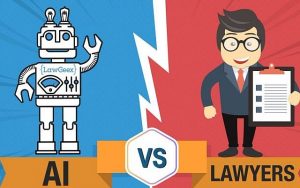
I’ve had lots of Future of conversations with the legal and allied industry, dating back to the 1990’s and have always been assured, by those in the know, that the legal industry is immune to change, safe and enshrined by 100’s of years of protocol and practice, enmeshed sacredly within the foundations and laws of our country.
The one thing I know for certain, is that the more certain an industry is that is immune to change, the surer I am that they will face a tsunami, when commercial reality finally hits them.
The legal industry, despite constant warnings from all, is now being forced to accept a radical shakeup, that is stripping them back to their core and forcing them to re think what practicing the law looks like, who does it and where and when it does.
In a world where Artificial Intelligence can effortlessly perform the work of a law clerk, researching, assembling and preparing briefs in the matter of minutes vs. a human who will take hours / days to complete the same task.
Where legal documents can more accurately be analysed by software than humans lawyers.
Where chat bots can get 100,000’s of purported offenders off parking fines.
Where judges now seek sentencing advice from their AI assistants, you know the Legal Industry has begun its journey down the rabbit hole.
In this weeks #FutureChat with ABC Far North’s Kier Shorey, and on the back of a keynote I’ll deliver today on the Brave New Legal Landscape, we chat about all things Future of Law and explore:
- Online Lawyers / Legal Services
- Chatbots Lawyers
- Artificial Intelligence collates and writes legal briefs faster than humans
- Physical Land Titles are gone
- Smart Contracts – all seeing, all knowing technology
- Impact of CCTV, dash cams, social media, proximity / location software and more on evidence
- Can we / should we trust technology to deliberate, adjudicate and sentence / provide remedy?
- What do human lawyers when technology does it all
An interesting insight into an age-old industry undergoing radical change and theirs and society’s response to it.
Have a listen now (10 minutes 56 seconds) and then share your foresight’s and thoughts…
Frequently Asked Questions
Q: Where is AI running into legal limits right now?
In decisions with significant consequences for individuals, credit, employment, legal sentencing, and medical diagnosis. The principle that consequential decisions should be explainable and contestable is increasingly encoded in regulation, and most AI systems cannot satisfy it. The EU AI Act is the most comprehensive framework, but similar principles are emerging globally.
Q: Who is liable when an AI makes a harmful decision?
This is genuinely unsettled law in most jurisdictions. The emerging frameworks suggest liability follows deployment, the organisation that deploys an AI system is responsible for its outcomes, regardless of whether a human directly made the decision. This changes the risk calculus for AI deployment significantly.
Q: How should organisations think about AI governance?
By applying the Decision Trust Zones™ framework, determining which decisions AI can make autonomously, which require human review, and which must remain entirely human. The answer is not the same for every decision. The test is consequence and reversibility: high-consequence, hard-to-reverse decisions should have human accountability.
Q: Can Morris Misel speak about AI governance, ethics, and the regulatory landscape?
Yes. For keynotes on AI risk, governance, and responsible deployment, visit morrismisel.com/event-organisers.
I’ve had lots of Future of conversations with the legal and allied industry, dating back to the 1990’s and have always been assured, by those in the know, that the legal industry is immune to change, safe and enshrined by 100’s of years of protocol and practice, enmeshed sacredly.
The impact of #AI fought the law, but who won goes beyond process efficiency. It reshapes roles, redistributes decision-making authority, and changes the human skills that matter most. Leaders who understand these second and third-order consequences early have a real advantage over those waiting for the technology to stabilise before engaging.
The most important question is not whether #AI fought the law, but who won will matter, but how quickly it will matter in your specific context. Leaders benefit most from mapping the ripple effects early — not just the direct impact but the second and third-order consequences that arrive later and hit harder. That is the practical work of foresight.
