This week in the Future
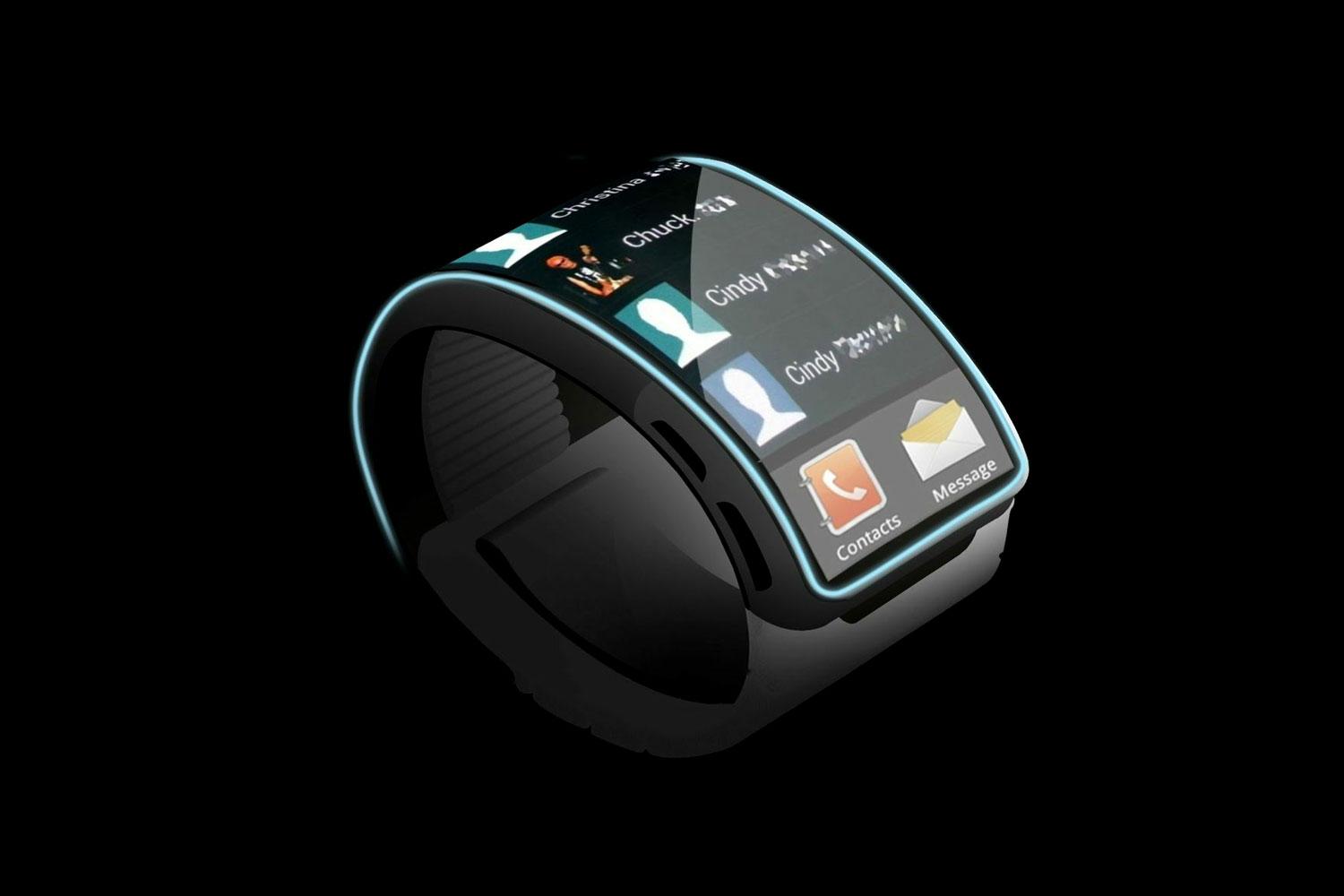

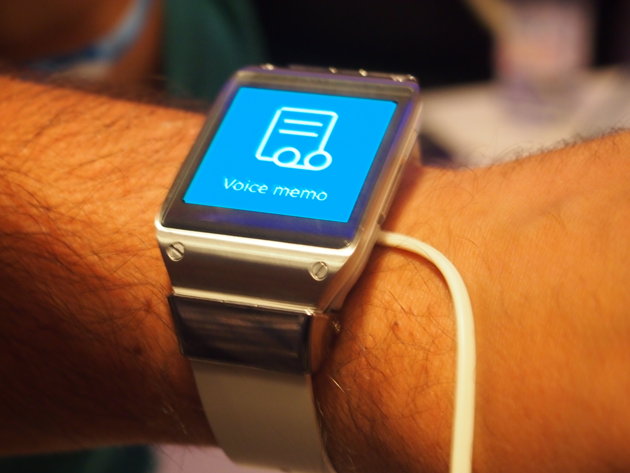
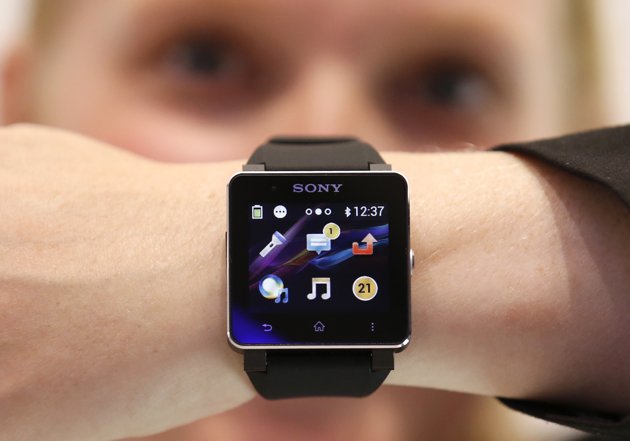
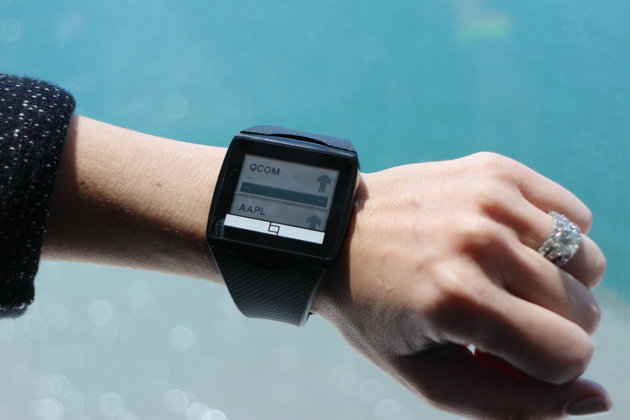 With the imminent arrival of the new iPhone 6s and 6c, with what we are led to believe will be fingerprint recognition scanners, better graphics faster processors and in the case of the 5C rainbow colour choices and a cheaper price tag, David Dowsett of ABC Wide Bay and I took a look at what else is happening in tech land.
The other big story is the purchase by Microsoft of Nokia mobile, as the software giant takes another big step into the mobile space, we also look at the avalanche of new smart watches about to hit our shops and Google’s newest operating system Kit Kat.
Listen now to our round up of all things tech…
[audio src="/wp-content/uploads/2013/09/future-of-mixed-stories-9-sept-13.mp3"]
]]>
With the imminent arrival of the new iPhone 6s and 6c, with what we are led to believe will be fingerprint recognition scanners, better graphics faster processors and in the case of the 5C rainbow colour choices and a cheaper price tag, David Dowsett of ABC Wide Bay and I took a look at what else is happening in tech land.
The other big story is the purchase by Microsoft of Nokia mobile, as the software giant takes another big step into the mobile space, we also look at the avalanche of new smart watches about to hit our shops and Google’s newest operating system Kit Kat.
Listen now to our round up of all things tech…
[audio src="/wp-content/uploads/2013/09/future-of-mixed-stories-9-sept-13.mp3"]
]]>
Frequently Asked Questions
Q: Why does reading weekly signals matter more than waiting for annual trend reports?
Annual trend reports synthesise and confirm what is already widely known, by the time a signal appears in an annual report, the first-mover window for acting on it has usually closed. Weekly signal reading keeps strategic awareness current, builds pattern recognition through repeated practice, and maintains the habit of looking at the environment through a futures lens rather than only through an operational one. The compound value of weekly practice over a year is dramatically greater than a single annual review.
Q: How do you decide which signals from a given week deserve attention and which are noise?
Signal triage criteria include: novelty (is this genuinely new or a restatement of existing knowledge?), convergence (is it consistent with other signals pointing in the same direction?), acceleration (is the rate of change increasing?), and relevance (does it intersect with any of the organisation’s or individual’s strategic priorities?). Signals that pass three or more of these criteria warrant tracking; those that pass one deserve noting but not acting on until confirmed by additional signals.
Q: What does a regular signal-reading practice look like in practice?
A practical signal-reading routine involves: 30-60 minutes weekly reviewing a curated set of sources across technology, social, economic, environmental, and political domains; a brief note on the two or three signals that seem most significant; a quarterly review of accumulated notes to identify which signals are strengthening, weakening, or converging into patterns; and an annual synthesis that updates strategic assumptions based on the year’s signal flow. The discipline is more important than the tools, any consistent system that gets done is better than an elaborate system that doesn’t.
Q: How can I book Morris Misel for a foresight practice, signal reading, or strategic futures keynote?
Reach the booking team at morrismisel.com/event-organisers.
With the imminent arrival of the new iPhone 6s and 6c, with what we are led to believe will be fingerprint recognition scanners, better graphics faster processors and in the case of the 5C rainbow colour choices and a cheaper price tag, David Dowsett of ABC Wide Bay and I took a.
The window between a signal arriving and it demanding a response is shortening. This week in the Future is already shaping strategy conversations in forward-looking organisations. Treating it as a future concern rather than a present one builds a preparedness gap that will have to be closed under pressure.
The most important question is not whether This week in the Future will matter, but how quickly it will matter in your specific context. Leaders benefit most from mapping the ripple effects early — not just the direct impact but the second and third-order consequences that arrive later and hit harder. That is the practical work of foresight.
